The Laboratory Behind the Laburnum
In a converted potting shed behind a Victorian terrace in Dartmouth, Margaret Henley is conducting what might be the most comprehensive soil acidity study the South West has ever seen. Armed with pH strips, mason jars, and a determination that would make Darwin proud, she's been documenting minute changes in her neighbourhood's earth chemistry for the past seven years.
 Photo: Margaret Henley, via www.parkecountysentinel.com
"People think I'm mad," she laughs, gesturing toward neat rows of labelled soil samples. "But when the council wanted to know why the horse chestnuts on Foss Street were dying, guess who they called?"
Margaret isn't alone. Across Devon, a quietly obsessive community of citizen scientists are filling gaps that official research simply can't cover. They're measuring everything from rainfall patterns to bird migration timing, often with equipment they've built themselves and methodologies that would surprise professional researchers with their rigour.
The Tidal Prophets
Down at Mill Creek, retired engineer David Thornton has been recording water temperatures every morning for twelve years. His handwritten logs, stored in waterproof boxes beneath his kitchen table, now represent one of the longest continuous datasets for this stretch of the Dart estuary.
"The Environment Agency takes readings monthly," he explains, pulling on wellington boots that have seen better decades. "But climate change doesn't work on a monthly schedule. You need daily data, preferably twice daily, to see what's actually happening."
His observations have already caught the attention of marine biologists at Plymouth University, who discovered that David's meticulous records revealed warming patterns they'd missed entirely. The water temperature in this particular creek has risen by 1.3 degrees over the past decade – a finding that's now informing research into shellfish population decline across the South West.
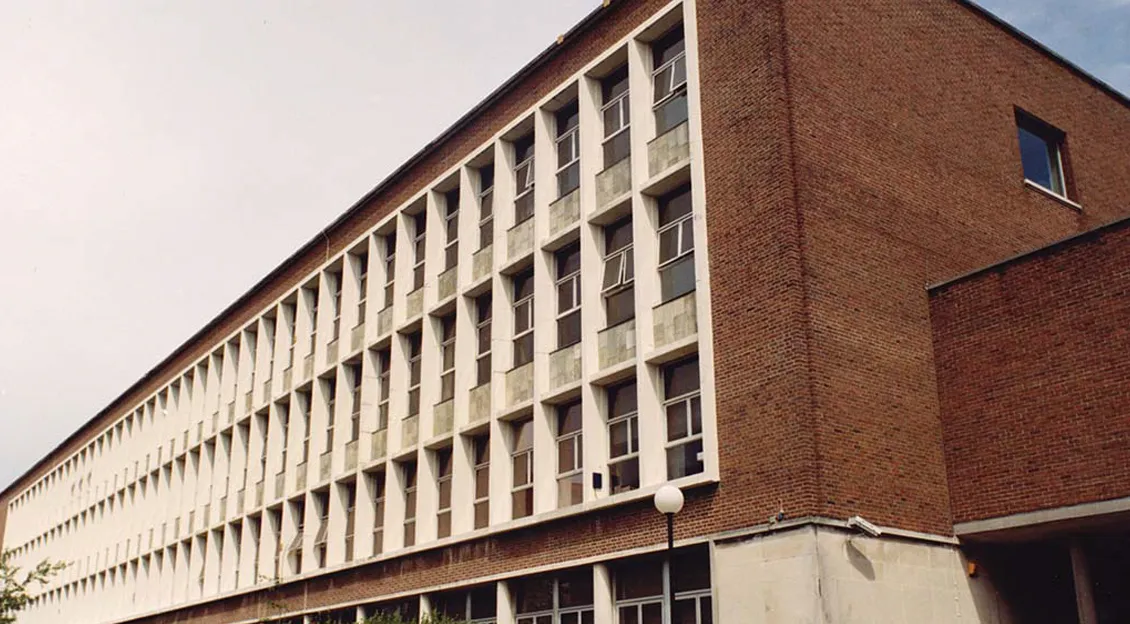 Photo: Plymouth University, via www.dbfacades.com
The Fermentation Files
Perhaps the most unexpected contribution comes from what locals have dubbed 'the wine brigade' – a loose network of home fermenters whose experiments with unconventional ingredients have accidentally created a database of local ecosystem health.
Sarah Chen, a former chemistry teacher who moved to Totnes five years ago, began making wines from whatever she could forage: elderflowers, blackberries, even seaweed from Bantham Beach. What started as curiosity about traditional brewing techniques became something more significant when she noticed her dandelion wine wasn't fermenting properly.
"The sugar conversion rates were all wrong," she recalls, consulting notebooks filled with calculations that wouldn't look out of place in a university laboratory. "Turns out the local dandelion population had virtually no pollinator contact that year. My failed wine was actually documenting bee population collapse."
Now Sarah coordinates with a dozen other fermenters across the region, sharing data about wild ingredient availability, sugar content, and fermentation success rates. Their collective findings paint a detailed picture of biodiversity changes that formal surveys often miss.
Beyond the Garden Gate
What makes Devon's citizen scientists particularly valuable isn't just their dedication – it's their geographic spread. While official monitoring stations are concentrated around major population centres, these amateur researchers are scattered across remote valleys, isolated coastal paths, and forgotten corners of Dartmoor.
Tom Bradshaw operates what he calls a 'micro weather station' from his cottage near Buckfastleigh. Built from salvaged materials and Arduino microcontrollers, it measures wind patterns, humidity, and atmospheric pressure every fifteen minutes. His data has helped local farmers understand why frost patterns have shifted so dramatically in recent years.
"The Met Office station is twelve miles away," he points out. "That might as well be a different climate zone when you're talking about these narrow moorland valleys."
The Network Effect
What's emerged organically is something approaching a parallel research infrastructure. These individuals share findings through informal networks: village hall meetings, social media groups, and handwritten letters. Some have started coordinating their efforts, creating datasets that span multiple locations and variables.
The Dartmouth Environmental Observers, formed eighteen months ago, now includes forty-three members across the South Hams. They meet monthly at the Cherub Inn to compare notes, troubleshoot equipment problems, and plan new investigations. Their collective data is starting to influence local planning decisions.
"We're not trying to replace professional science," insists group coordinator Janet Mills, a former librarian whose rainfall measurements have become essential reading for local flood planning. "But we can provide context, fill gaps, and ask questions that big institutions might overlook."
The Future of Curiosity
Perhaps most importantly, these citizen scientists represent a tradition of amateur inquiry that Britain has always excelled at. From Gilbert White's observations of Selborne to Charles Darwin's correspondence networks, some of our most significant scientific advances have come from dedicated amateurs pursuing questions that fascinated them.
In an age of specialisation and professional gatekeeping, Devon's DIY researchers prove that careful observation and genuine curiosity remain powerful tools for understanding our changing world. Their work reminds us that science isn't just something that happens in universities – it's something that happens wherever people pay attention.
As climate change accelerates and our environment shifts in unpredictable ways, we need all the observers we can get. The amateur scientists of Devon, armed with nothing more than measuring jugs and stubborn curiosity, are providing exactly that – one soil sample, one temperature reading, one failed batch of turnip wine at a time.