The Language of Water
At 4:30 on a grey October morning, Charlie Westcott is already knee-deep in the Dart, checking the colour of the water with the practised eye of a wine connoisseur. No GPS unit flickers on his dashboard; no depth sounder chirps electronic warnings. Instead, Charlie reads the river like his grandfather taught him sixty years ago—through touch, smell, and an almost mystical understanding of how water moves.
"See how she's running chocolate brown this morning?" he says, scooping a handful of river water. "That tells me the tide's been working hard upstream, stirring up the silt. Fish'll be hugging the cleaner water along the eastern bank."
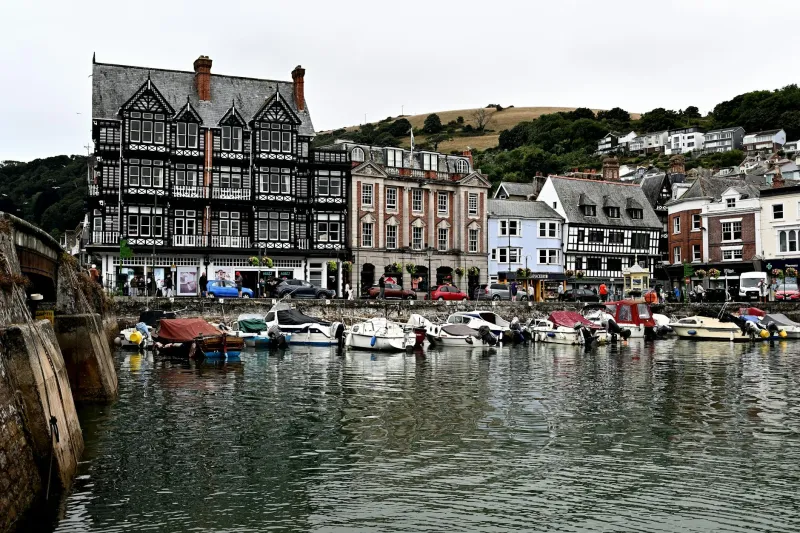
Charlie represents a dying breed. Across Dartmouth's ancient harbour, where the River Dart meets the sea, a small community of fishermen still navigate these waters using inherited knowledge that predates satellites, sonar, and even reliable charts. They're the tide readers—men whose understanding of currents, shoals, and fish behaviour comes not from screens but from decades of patient observation.
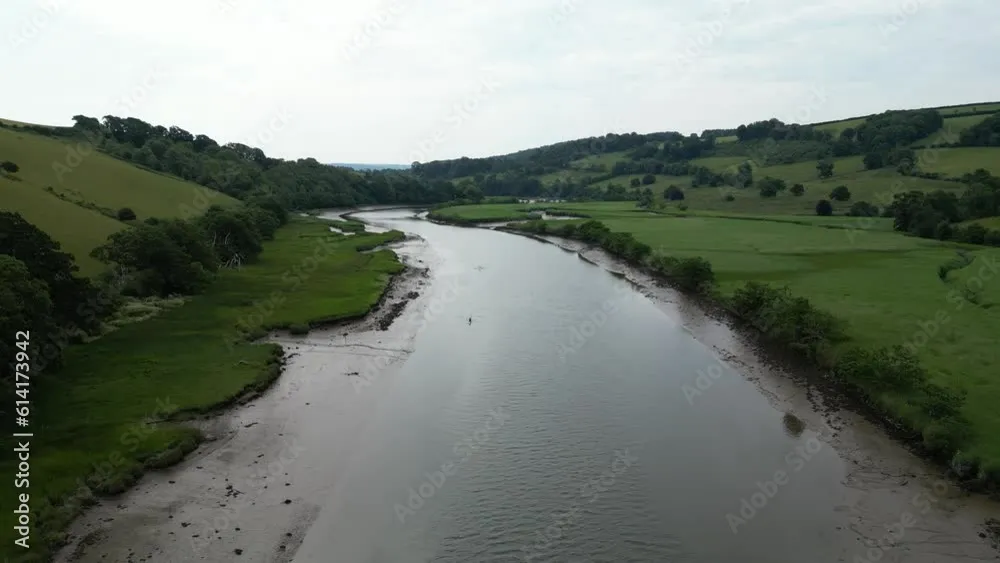 Photo: River Dart, via as2.ftcdn.net
The Wisdom of Generations
This embodied navigation wisdom has deep roots in Dartmouth's maritime heritage. For centuries, local fishermen developed an intricate understanding of how the Dart behaves through its twice-daily tidal cycle. They learned to read the subtle signs that reveal where fish gather, where currents shift, and where hidden rocks lurk beneath seemingly calm water.
"My father never owned a chart," explains Tom Harbord, whose family has worked these waters for five generations. "He'd tell me to watch for the way the water breaks over Homestone Rock, or how the gulls behave when the mackerel are running. That knowledge kept us fed and kept us safe."
Tom still operates his small boat using these traditional methods, though he admits the pressure to modernise grows stronger each year. Insurance companies favour vessels equipped with the latest safety technology. Younger crew members arrive expecting electronic navigation aids. Even the fish seem to be changing their patterns as warming waters alter the ecosystem.
Reading the Signs
Watching these fishermen work reveals the sophistication of their traditional methods. They interpret dozens of environmental cues simultaneously: the angle of waves against the harbour wall, the behaviour of seabirds, the colour and clarity of the water, even the way morning mist clings to different parts of the coastline.
"People think we're just old-fashioned," says Mary Blackstone, one of the few women working the Dart's fishing fleet. "But what we do is incredibly sophisticated. We're processing information that no computer can handle—the feel of the boat under your feet, the smell of the wind, the way the light falls on the water."
Mary learned her craft from her uncle, who began taking her out on the water when she was barely eight years old. Now in her fifties, she can predict tidal behaviour with uncanny accuracy, often calling out dangerous conditions hours before official weather warnings are issued.
The Digital Divide
The contrast with modern fishing methods couldn't be starker. Today's commercial vessels bristle with electronic equipment: GPS plotters, fish finders, weather routing systems, and digital charts updated in real-time via satellite. These tools offer precision and safety margins that traditional methods simply cannot match.
Yet something valuable is being lost in this technological transition. Dr. Sarah Thornton, a marine historian at Plymouth University, has spent the past five years documenting traditional navigation knowledge before it disappears entirely.
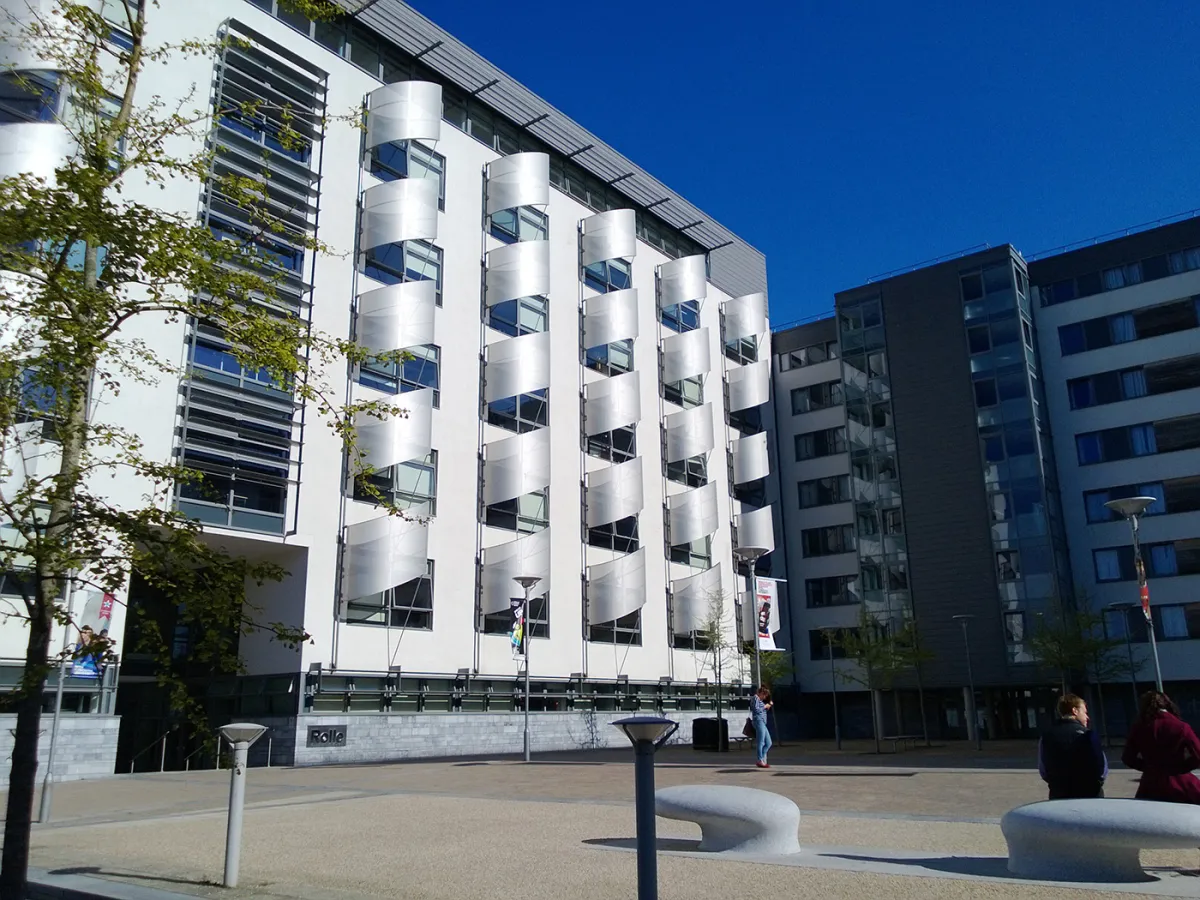 Photo: Plymouth University, via ukeducationguide.com
"What these fishermen possess is irreplaceable," she explains. "They understand the personality of specific stretches of water in ways that technology cannot replicate. When GPS fails—and it does fail—this embodied knowledge could mean the difference between life and death."
Racing Against Time
The urgency of Dr. Thornton's work becomes clear when considering the demographics of Dartmouth's traditional fishing fleet. Most of the tide readers are over sixty, with several approaching eighty. Their knowledge exists primarily in their heads and hands, passed down through apprenticeships that began in childhood.
"We're looking at a complete break in transmission," warns local maritime heritage officer James Crawford. "Once these men retire or pass away, centuries of accumulated wisdom goes with them. No amount of technology can recreate that."
Efforts are underway to document this knowledge before it vanishes. The Dartmouth Maritime Heritage Project has begun recording detailed interviews with veteran fishermen, creating video archives of their methods, and even experimenting with virtual reality to capture the sensory experience of traditional navigation.
The Future of Ancient Wisdom
Some younger fishermen are beginning to recognise the value of traditional knowledge, even as they embrace modern technology. Jake Morrison, 28, represents a new generation attempting to bridge the gap between old and new approaches.
"I use GPS for safety, but I also try to learn from the old-timers," he explains. "When the electronics fail—and they do—you need something to fall back on. Plus, understanding the water the traditional way makes you a better fisherman overall."
Charlie Westcott, now 73 and still working the waters daily, remains philosophical about the future. "The river will outlast all of us," he reflects, watching the morning tide surge past Kingswear Castle. "The question is whether anyone will still know how to listen to what she's trying to tell them."
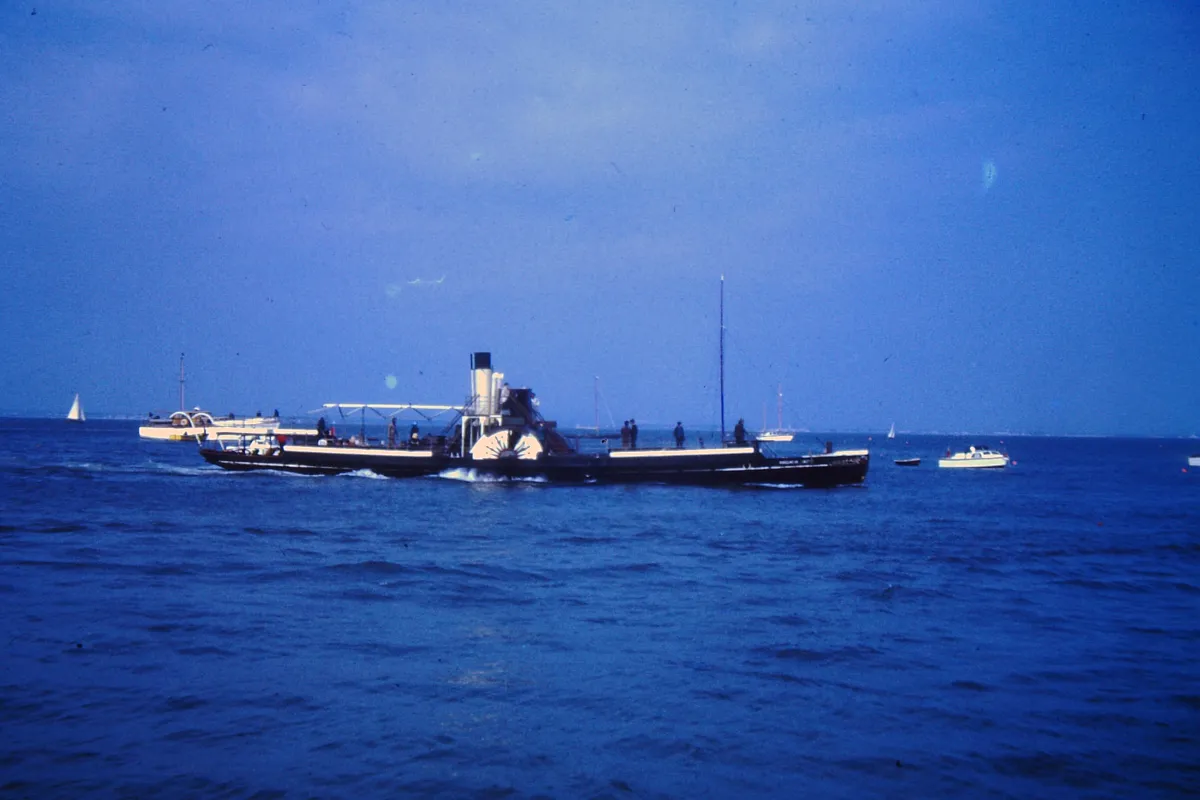 Photo: Kingswear Castle, via i0.wp.com
As Dartmouth's harbour awakens to another day, the tide readers continue their ancient dialogue with the water. Whether that conversation will survive another generation remains an open question—one that speaks to larger tensions between tradition and progress in our rapidly changing world.