When the Show Must Go On
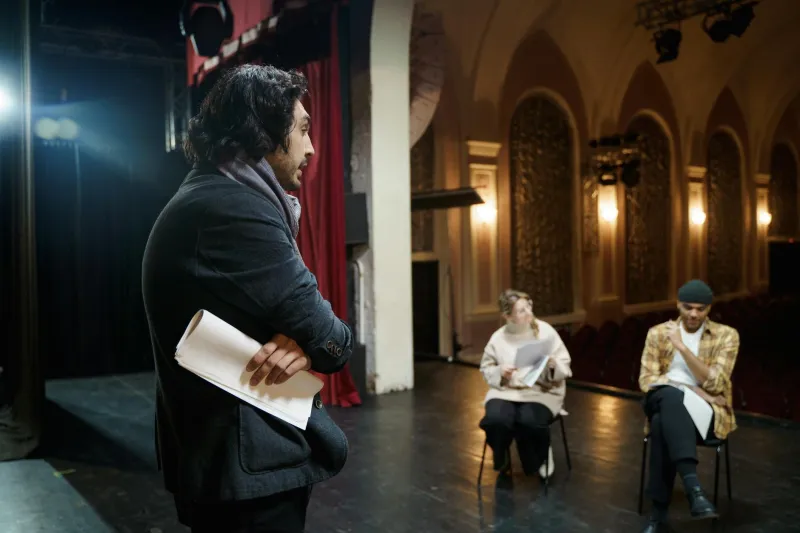
It's 7 PM on a Tuesday in Buckfastleigh, and the church hall reverberates with the sound of enthusiastic but slightly off-key singing. The Buckfast Players are three weeks into rehearsals for their spring production of 'Our Country's Good,' and director Janet Moorhouse is patiently working through a particularly challenging scene for the fifth time this evening.
"Remember, you're convicts on a ship to Australia, not tourists on a cruise," she calls out to her cast of teachers, retirees, and shop workers. "Feel the desperation, the hope, the fear."
This scene—volunteers giving up their Tuesday evenings to transform a draughty church hall into 18th-century New South Wales—plays out across dozens of venues throughout Devon. From Barnstaple to Brixham, amateur dramatic societies form the beating heart of local cultural life, keeping live theatre accessible to communities that might otherwise never experience it.
But after surviving two world wars, economic recessions, and countless funding crises, these societies now face their most existential threat yet: a perfect storm of rising costs, ageing memberships, and competition from an entertainment landscape dominated by Netflix and social media.
The Unsung Cultural Infrastructure
Devon's amateur theatre network represents one of the most extensive cultural infrastructures in the Southwest, yet it operates almost entirely below the radar of arts funding bodies and cultural policy makers. The Devon Drama Association represents over 80 member societies, many of which have been performing continuously for more than a century.
"People don't realise what an incredible resource this is," explains Dr. Patricia Holbrook, who researches community theatre at Exeter University. "These societies provide affordable entertainment, creative outlets for hundreds of people, and cultural continuity that you simply can't get from touring productions or commercial theatre."
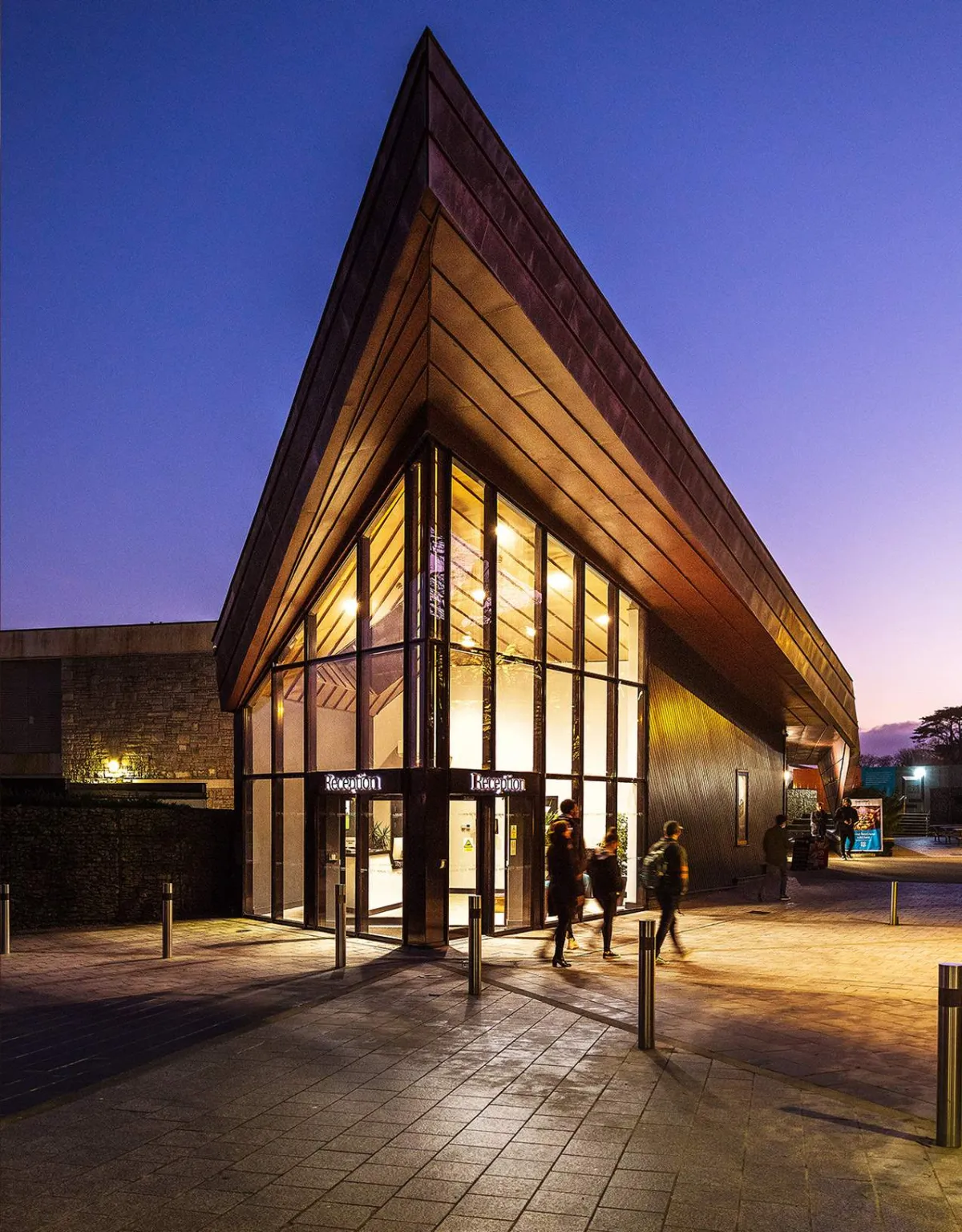 Photo: Exeter University, via virtualtourcompany.co.uk
The numbers are staggering. Devon's amateur societies collectively stage over 200 productions annually, from intimate one-act plays to full-scale musicals. They engage thousands of performers, directors, set builders, costume makers, and front-of-house volunteers, creating economic and social value that far exceeds their modest budgets.
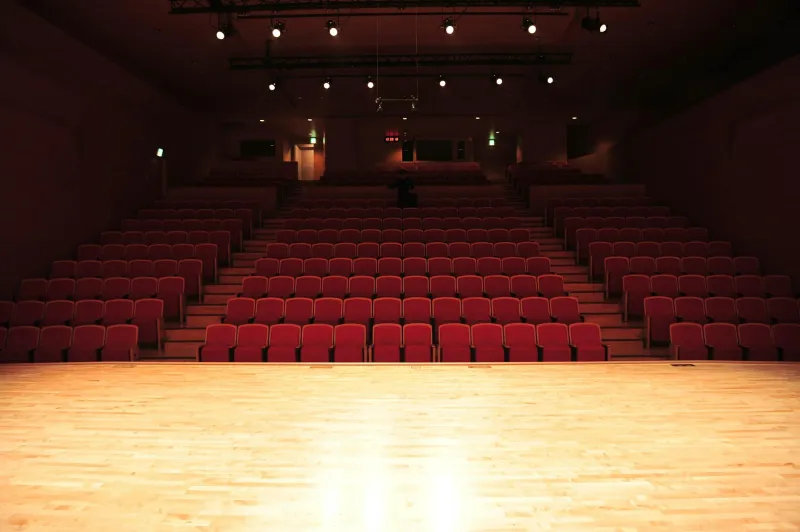
Take the Paignton Players, founded in 1922 and still going strong. Their annual pantomime alone attracts over 3,000 audience members across a week-long run, while their drama productions regularly sell out their 180-seat venue. For many local families, the Players represent their primary contact with live theatre.
Guardians of Local Stories
Beyond their role as entertainment providers, amateur societies serve as crucial keepers of local storytelling traditions. Many groups regularly stage plays with specific Devon connections, from historical dramas about local events to contemporary works by regional playwrights.
The Okehampton Players recently completed a successful run of 'The Last Witch of Dartmoor,' a locally-commissioned work exploring 17th-century witch trials in the area. Writer and director Mark Stevens drew on historical records and local folklore to create a piece that resonated powerfully with audiences.
"Commercial theatre can't do what we do," Stevens argues. "We can take risks on local stories, work with community historians, create theatre that speaks directly to our audience's sense of place and identity."
This commitment to local storytelling extends beyond scripted plays. Many societies organise community history projects, oral history collections, and collaborative devised works that involve audience members as co-creators rather than passive consumers.
The Generational Challenge
However, maintaining this cultural continuity requires a steady stream of new participants, and that's where many societies are struggling. The average age of amateur theatre participants in Devon has risen significantly over the past decade, with many groups reporting difficulty attracting members under 40.
"Young people have so many entertainment options now," observes Helen Parker, who has directed for the Crediton Drama Society for fifteen years. "When I started, amateur theatre was one of the few ways to be creative in a small town. Now there's YouTube, TikTok, gaming communities. We're competing with platforms that offer instant gratification."
The time commitment required for amateur theatre—typically 8-10 weeks of evening rehearsals plus performance weeks—can seem daunting to people juggling work, family, and other commitments. Some societies are experimenting with shorter rehearsal periods, one-off events, and more flexible participation models to attract busy younger members.
Innovation Within Tradition
Despite the challenges, many societies are finding creative ways to evolve while preserving their core mission. The Totnes Players have embraced digital marketing and online ticket sales, significantly expanding their audience reach. The Sidmouth Drama Club streams selected performances, allowing them to share their work with former members who have moved away.
Others are exploring new partnerships and programming approaches. The Barnstaple Theatre Club recently collaborated with local schools to stage an inter-generational production that paired teenage performers with veteran society members. The result was a vibrant, energetic show that attracted audiences from multiple age groups.
"We can't just do things the way we've always done them," admits Chris Downing, chairman of the Torbay Drama League. "But we also can't lose sight of what makes amateur theatre special—the sense of community, the accessibility, the fact that ordinary people can create extraordinary experiences together."
Economic Realities
Financial pressures add another layer of complexity. Venue hire costs have risen dramatically, while box office revenues struggle to keep pace. Insurance, licensing fees, and equipment costs all continue to climb, forcing societies to increase ticket prices or reduce production values.
Many groups operate on shoestring budgets that would make professional companies weep. The Ashburton Players typically spend under £2,000 on entire productions, relying on borrowed costumes, volunteer labour, and ingenious set designs created from recycled materials.
"We make miracles happen with nothing," laughs Margaret Foster, who has been building sets for the Ashburton Players for over twenty years. "Last year we created a Victorian mansion interior using cardboard boxes and house paint. The audience believed it completely."
The Streaming Generation
Perhaps the most fundamental challenge comes from changing entertainment consumption patterns. Young people increasingly expect on-demand, personalised content that they can consume privately. The communal, scheduled, live experience of theatre feels increasingly foreign to digital natives.
Yet some societies report success in attracting younger participants by emphasising skills development, creative collaboration, and social connection—exactly the things that digital entertainment cannot provide.
"Theatre gives you something you can't get from a screen," explains 24-year-old Jamie Roberts, who joined the Newton Abbot Amateur Operatic Society two years ago. "The adrenaline of live performance, the friendships you build through working toward a common goal, the satisfaction of creating something physical and temporary and beautiful."
Looking Forward
As Devon's amateur theatre societies navigate these challenges, their survival strategies vary widely. Some focus on preserving traditional repertoire and methods, believing that consistency and reliability will eventually attract audiences seeking authentic experiences. Others embrace experimentation, technology, and new forms of community engagement.
What unites them all is a stubborn belief in the irreplaceable value of live, local, community-created theatre. In an increasingly digital and globalised world, these societies offer something genuinely rare: the chance to gather in the same room, share the same moment, and experience stories together.
"Every time someone tells me amateur theatre is dying, I think about our last opening night," reflects Janet Moorhouse as the Buckfast Players wrap up another rehearsal. "The curtain went up, the audience leaned forward, and for two hours we created magic together. You can't stream that. You can't download that. You have to be there."
Whether that magic can survive the pressures of the 21st century remains an open question. But in church halls and community centres across Devon, the show continues to go on—for now.