The Accidental Renaissance
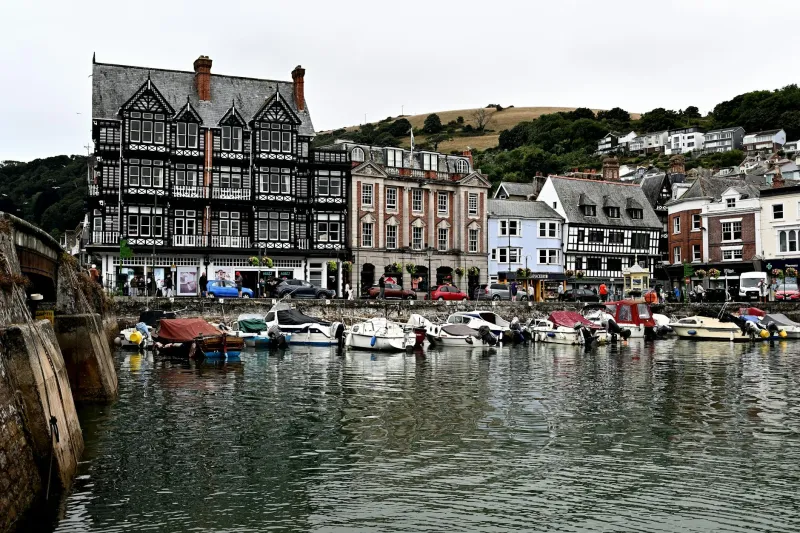
When the century-old haberdashery on Foss Street finally closed its doors last autumn, locals assumed they'd be staring at another empty shopfront indefinitely. Instead, within six weeks, the space had been transformed into something nobody quite anticipated: a combination record shop, listening room, and weekend cinema that's become one of Dartmouth's most popular evening destinations.
"We never intended to save the high street," admits Jake Morrison, one of three friends who signed a six-month lease on the space. "We just wanted somewhere to play records without annoying the neighbours."
What started as a practical solution to a housing problem has evolved into something approaching a social experiment. The Listening Post, as they've named it, operates on a simple principle: during the day, it's a vinyl shop specialising in independent labels and local artists. After 6pm, it becomes a forty-seat venue for film screenings, album launches, and what Jake calls 'deep listening sessions' – evenings dedicated to experiencing entire albums without distraction.
 Photo: The Listening Post, via mir-s3-cdn-cf.behance.net
The Mathematics of Marginal Rents
The economics driving Dartmouth's retail transformation are straightforward enough. Empty shops cost landlords money through business rates, security, and maintenance. Short-term tenancies at reduced rents generate some income while keeping properties occupied and maintained. For creative entrepreneurs, this creates opportunities that wouldn't exist in a healthy retail market.
"I could never afford £800 a month for a proper gallery space," explains ceramicist Anna Chen, whose pop-up studio occupies what was once a mobile phone repair shop. "But £200 for six months? That's doable, especially if I can sell work directly to visitors."
Anna's space operates as studio, gallery, and workshop combined. Visitors can watch her throwing pots in the back room, browse finished pieces displayed on repurposed shop fittings, and sign up for weekend classes. It's a model that works precisely because it doesn't try to replicate traditional retail patterns.
The Bread Laboratory
Perhaps the most successful transformation has been the former Woolworths unit, empty since 2009, which now houses what owner Sarah Blackwood calls 'an experimental bakery.' The Grain Store combines traditional bread-making with fermentation research, offering sourdough workshops alongside naturally leavened loaves that sell out daily.
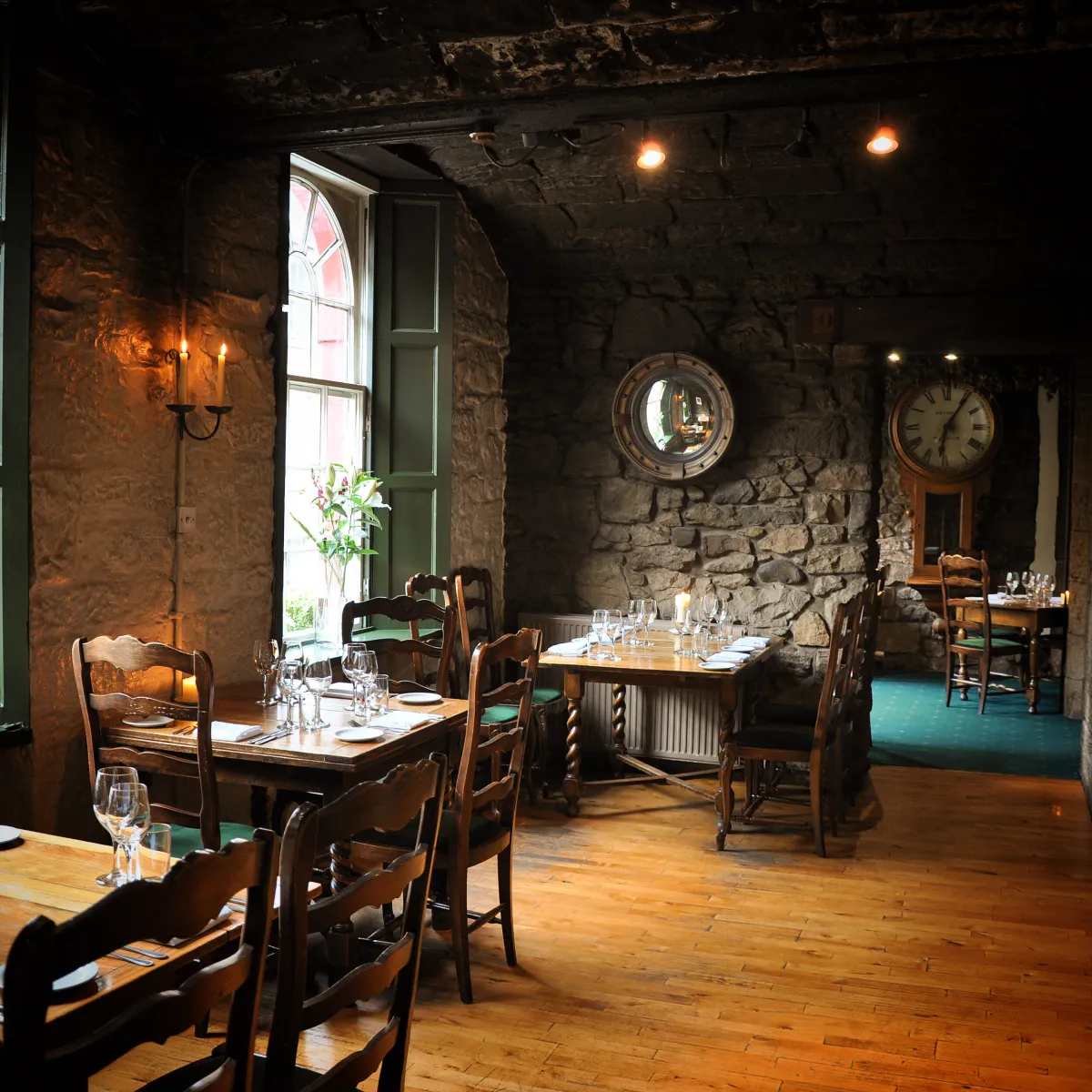 Photo: The Grain Store, via images.squarespace-cdn.com
"Retail failed here because it was trying to compete with supermarkets and online shopping," Sarah observes, pulling a batch of spelt loaves from ovens that occupy the space where pick-and-mix displays once stood. "We're doing something you can't get anywhere else."
The bakery's success lies in its integration of production, education, and retail. Customers don't just buy bread – they learn about grain varieties, fermentation cultures, and traditional baking techniques. Weekend workshops are booked months in advance, often by visitors who've travelled from London or Bristol specifically to attend.
The Network Effect
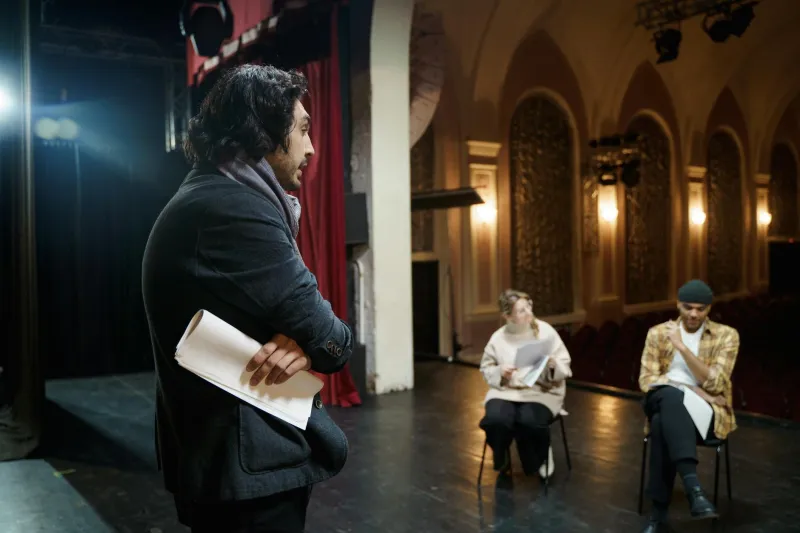
What makes Dartmouth's experiment particularly interesting is how these individual ventures have begun supporting each other. The Listening Post sources coffee from a micro-roastery that operates from a former estate agent's office. The ceramics studio sells work through the bakery. The record shop hosts launch events for local musicians who perform at a theatre group that rehearses in an empty department store.
"We've accidentally created an ecosystem," notes Tom Bradley, whose bookbinding workshop occupies a former charity shop. "None of us could survive alone, but together we're creating something that draws people from across the South West."
This collaborative approach extends beyond simple cross-promotion. The various operators share resources, from delivery systems to marketing costs. They coordinate opening hours to create evening and weekend destinations that transform Dartmouth's retail core from a daytime shopping area into a cultural quarter.
The Temporary Permanent
Most of these ventures began with six-month leases, expecting to move on when 'proper' tenants appeared. Instead, many have been repeatedly renewed as landlords recognise their value beyond simple rent collection. Occupied shops require less security, suffer less vandalism, and maintain their appeal to future commercial tenants.
"The irony is that temporary tenancies are creating more stability than traditional retail leases," observes property consultant David Henley, who's facilitated several of these arrangements. "These businesses adapt quickly, don't demand expensive fit-outs, and actually improve the properties they occupy."
Some operators have used their temporary status strategically, testing business models and building customer bases before committing to longer-term premises. The record shop has already expanded into an adjacent unit, while the bakery is negotiating a five-year lease that will allow investment in larger ovens and expanded seating.
The Community Laboratory
Beyond their economic impact, these pop-up ventures are changing how Dartmouth residents use their town centre. Evening footfall has increased dramatically as people visit for film screenings, pottery classes, and bread-making workshops. The high street, previously dead after 5pm, now buzzes with activity most evenings.
"It's become a social space again," notes Margaret Thornton, whose family has lived in Dartmouth for three generations. "My granddaughter comes here to buy vinyl, my daughter attends pottery classes, and I've started making sourdough. We're all using the town centre in ways we never did when it was just shops."
This social dimension may be the most significant aspect of Dartmouth's retail reinvention. Instead of passive consumption, these spaces encourage active participation. Visitors become students, customers become collaborators, and empty shops become community resources.
Lessons for the High Street
While Dartmouth's experiment remains small-scale, it suggests alternative approaches to retail decline that go beyond nostalgic calls for traditional shopping patterns to return. These ventures succeed precisely because they don't try to compete with online retail or out-of-town shopping centres.
Instead, they offer experiences that can't be replicated digitally: the tactile pleasure of handling vinyl records, the social aspects of shared learning, the immediate gratification of watching craftspeople work. They've discovered that high street spaces remain valuable – just not necessarily for traditional retail.
"We're not trying to bring back the old high street," reflects Jake Morrison, adjusting speakers for an evening album launch. "We're creating something new that happens to use the same buildings. Maybe that's exactly what these spaces needed – permission to become something different."
As planning authorities across Britain grapple with retail decline, Dartmouth's accidental experiment offers practical evidence that creative temporary use can benefit everyone: landlords get income and maintained properties, entrepreneurs get affordable space to test ideas, and communities get new reasons to visit their town centres. Sometimes the best solutions emerge not from grand strategies but from simple human ingenuity meeting available opportunity.