The Last Twist
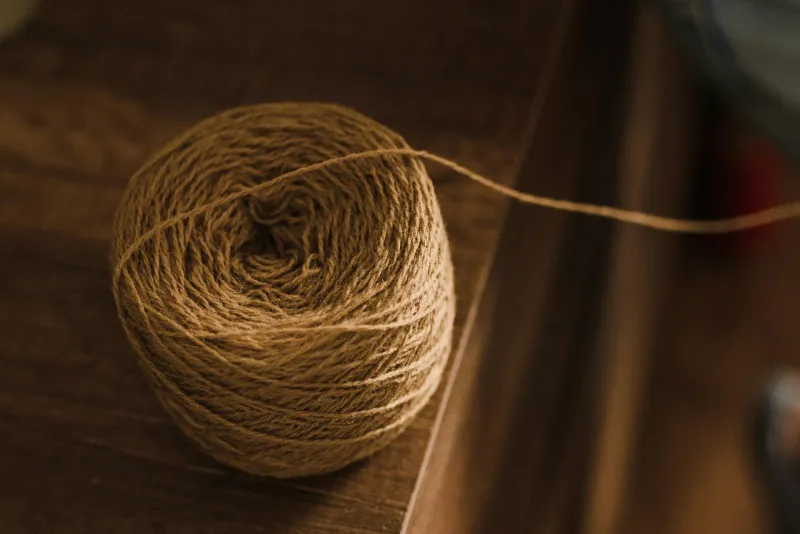
In a converted barn outside Totnes, John Hartwell feeds three strands of hemp through his fingers with the precision of a surgeon. The fibres, golden as Devon cream, spiral together under his touch, forming rope that will soon secure the rigging of a Victorian tall ship moored in Dartmouth. At 67, Hartwell is one of perhaps a dozen traditional rope makers left in the Southwest – guardians of a craft that once employed thousands along this coast.
"People think rope is rope," Hartwell says, his hands never pausing in their rhythmic dance. "But there's a memory in natural fibres that synthetics can't replicate. Hemp remembers how it wants to lie, how it responds to salt air and rain."
Maritime Memory
Devon's rope-making heritage stretches back centuries, when every port town hummed with the sound of spinning wheels and the thrum of twisted cordage. Plymouth's rope walks – long, covered galleries where workers would literally walk backwards whilst spinning fibres – once stretched for hundreds of metres. The largest could produce cables thick enough to anchor warships.
Today, that industrial legacy survives in workshops you could miss if you blinked. In Dartmouth, Sarah Chen operates from a former chandlery near the Butterwalk, her electric spinning wheel a concession to modernity in an otherwise traditional process. "I came to this through theatre," she explains. "The National Theatre needed someone who understood how period rope behaves under stage lights, how it ages, how it moves."
Chen's client list reads like a directory of Britain's cultural institutions: the Globe Theatre, the Mary Rose Museum, film productions requiring historically accurate rigging. Each commission demands different fibres – manila for strength, hemp for flexibility, cotton for comfort against actors' hands.
Beyond the Sea
The assumption that traditional rope making serves only maritime nostalgia proves quickly wrong. In Paignton, Mark Stevens supplies climbing instructors who swear by natural fibre practice ropes. "Synthetic rope is stronger, yes, but it doesn't teach you to read the equipment," explains Emma Walsh, who runs outdoor courses on Dartmoor. "Hemp rope talks to you – you feel when it's stressed, when it's wearing. That tactile education could save your life."
Stevens learned the craft from his grandfather, who worked the Plymouth rope walks before mechanisation arrived. "Granddad could tell the breaking strain of a rope by running it through his fingers," Stevens recalls. "That knowledge doesn't come from a manual – it's in the muscle memory, passed down through generations."
The Science of Twist
What these artisans understand intuitively, materials scientists are now documenting. Natural fibres possess what researchers term 'progressive failure' – they fray and stretch before breaking, providing visual and tactile warnings. Synthetic alternatives often snap without warning, their strength a liability in applications requiring nuanced feedback.
Dr. Rebecca Thornton at Plymouth University has studied traditional rope construction for her research into sustainable materials. "These craftsmen are working with principles of biomechanics that we're only beginning to formalise," she notes. "The way hemp fibres interlock, how they distribute load – it's remarkably sophisticated engineering."
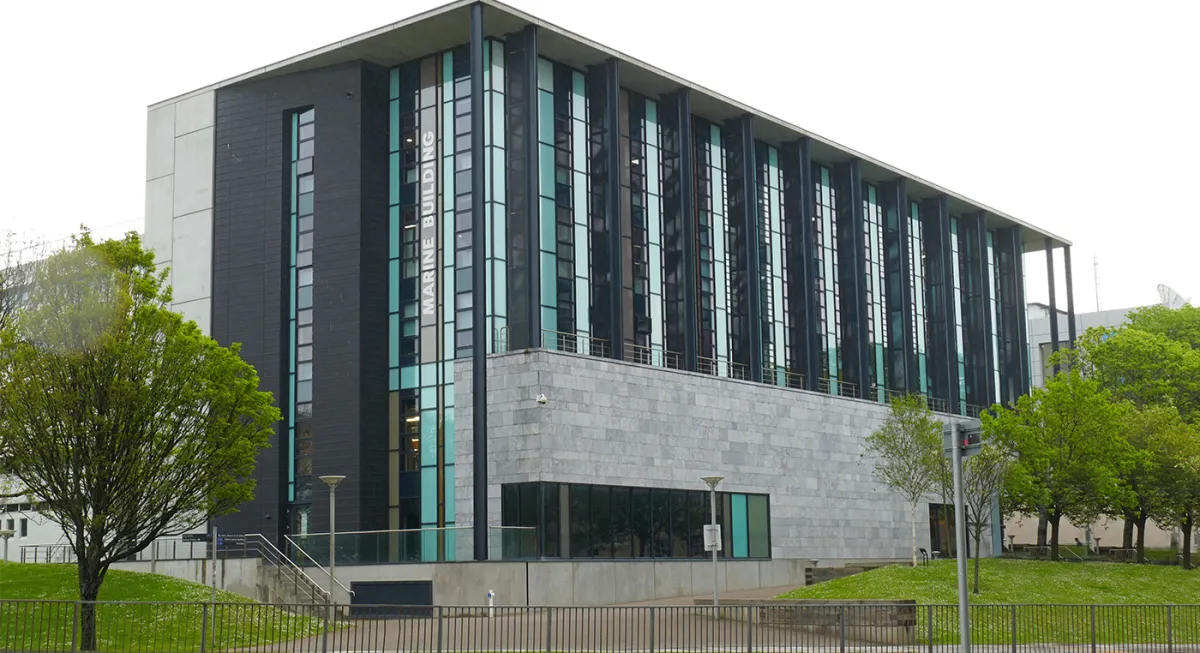 Photo: Plymouth University, via www.stormsaver.com
Fighting the Tide
Yet the craft faces existential challenges. Raw materials are increasingly difficult to source, with quality hemp requiring specialist suppliers. The physical demands take their toll – rope making is hard on hands and backs. Most concerning is the knowledge gap: traditional techniques rely on apprenticeships that can take years to complete.
"I'm 58 and my apprentice is 22," says Chen. "But we need more young people willing to commit to something that can't be learned from YouTube videos."
Some hope comes from unexpected quarters. The sustainable materials movement has sparked interest in natural alternatives to synthetic products. Several Devon workshops report enquiries from yacht designers exploring hemp rigging, and from architects investigating natural fibre cables for tensioned structures.
Twisted Future
As I watch Hartwell complete another length of rope – destined for a restored fishing boat in Brixham – the paradox becomes clear. These craftsmen aren't museum pieces preserving the past; they're custodians of knowledge that may prove essential for the future. In an age of disposable synthetics, they offer something increasingly rare: products that improve with age, that can be repaired rather than replaced, that carry stories in their very fibres.
"Every rope tells you where it's been," Hartwell reflects, coiling his finished work. "In 50 years, when the plastic's degraded, these fibres will still be holding strong. That's not nostalgia – that's just good engineering."
The future of Devon's rope making may be uncertain, but as long as craftsmen like Hartwell keep twisting hemp into gold, the ancient art of cordage will continue to tie past and future together, one strand at a time.