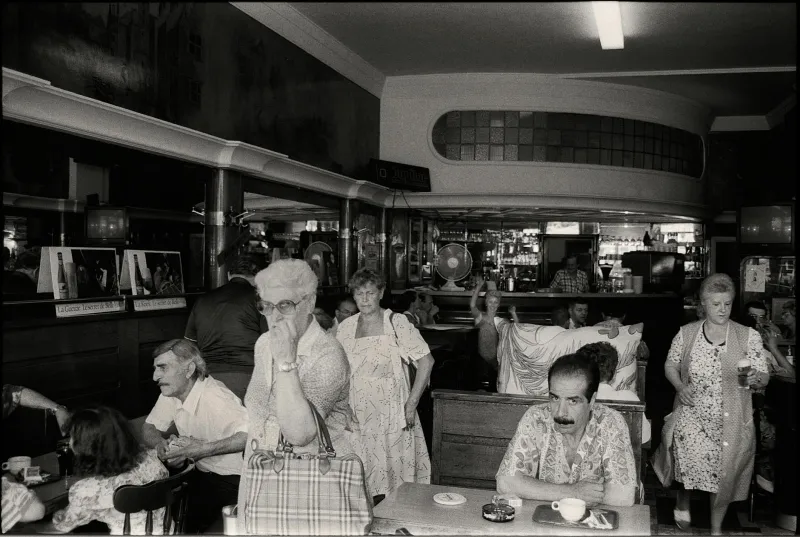
The Great Escape
At 6am on a Tuesday morning, Caroline Westbrook is elbow-deep in clay, her potter's wheel spinning in the converted garage that serves as her studio. Six months ago, she was reviewing legal contracts in a glass tower overlooking the Thames. Now, she's preparing for her first solo exhibition at Dartmouth's Flavel Arts Centre, having swapped silk scarves for paint-stained aprons and a salary that once bought Louboutins for the uncertain income of a working artist.
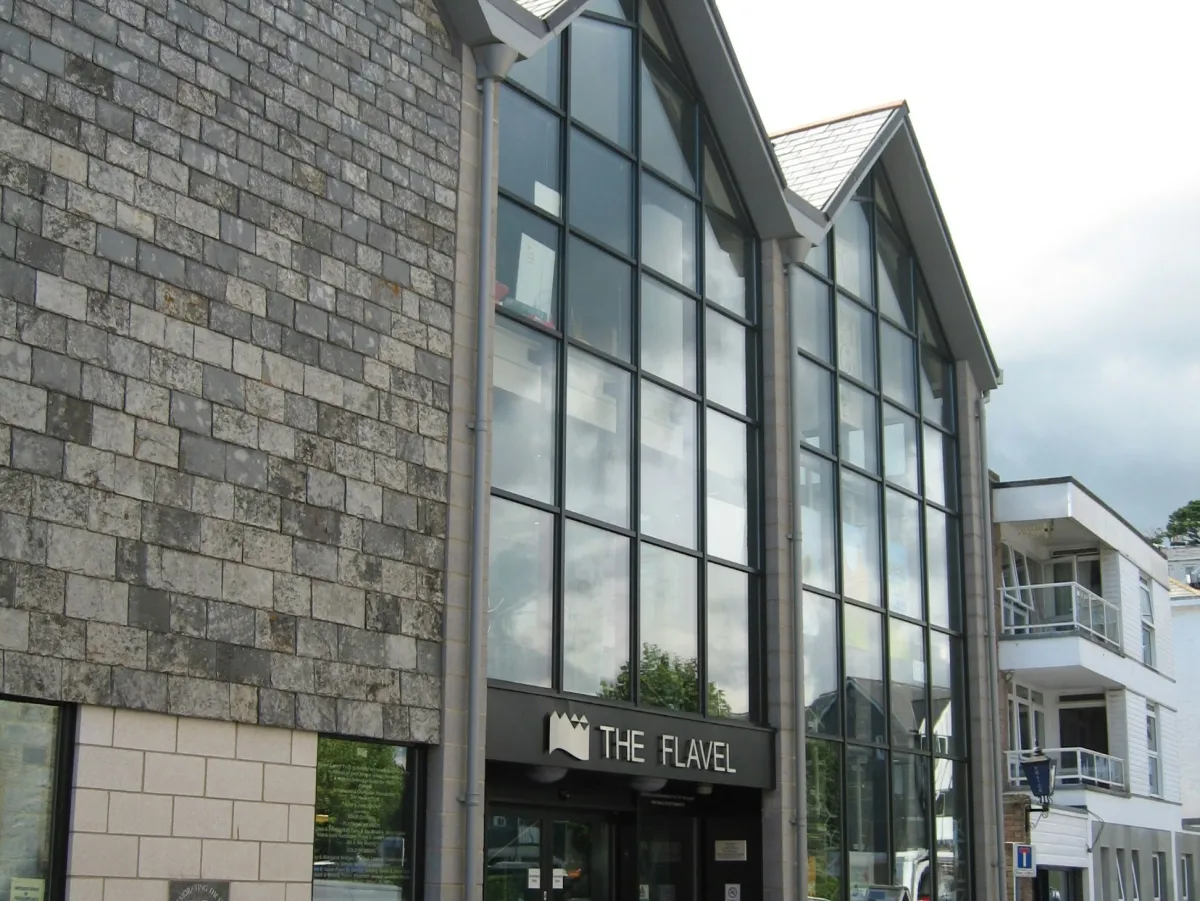 Photo: Flavel Arts Centre, via ents24.imgix.net
"People thought I'd lost my mind," laughs Westbrook, 54, whose hands bear the permanent clay stains that mark her transformation from City solicitor to South Devon ceramicist. "But I'd rather be broke and creating than wealthy and dying inside."
Westbrook isn't alone. Across Dartmouth, a quiet revolution is unfolding as professionals in their fifties and sixties reject traditional notions of retirement in favour of dramatic reinvention. The town has become an unlikely magnet for those seeking not just a change of scenery, but a complete reimagining of who they might become.
The Dartmouth Draw
What makes Dartmouth particularly attractive to career-changers isn't immediately obvious. Property prices rival London's outer boroughs, parking is a nightmare, and the nearest motorway lies an hour away. Yet the town consistently appears on lists of Britain's most desirable places to live, particularly among the over-50s.
The secret, according to local estate agent Miranda Phillips, lies in the town's unique combination of cultural sophistication and creative tolerance. "Dartmouth has always attracted interesting people," she explains. "Naval officers, writers, artists – there's a tradition of accepting unconventional choices. Nobody bats an eyelid when a former hedge fund manager starts selling homemade fudge from the market."
That hedge fund manager is Richard Pemberton, who traded derivatives for Devon clotted cream three years ago. His artisan ice cream parlour on Foss Street now draws queues in summer, but the journey wasn't without challenges. "The first winter nearly broke me," he admits. "January takings wouldn't cover the electricity bill. But you learn to live differently – seasonal rhythms, community support, measuring success in customer smiles rather than profit margins."
Creative Clusters
The town's compact geography creates natural networking opportunities that might take years to develop in larger cities. Coffee at Café Alf leads to collaborations; chance encounters at the Saturday market spark business partnerships. This social density proves particularly valuable for newcomers navigating unfamiliar industries.
Jenny Morrison discovered this when she launched her supper club after retiring from teaching. "Within a month, I had a ceramicist making my serving dishes, a vintner supplying wine, and a former chef offering advice on suppliers," she recalls. "In London, it would have taken years to build those connections."
Morrison's 'Tidal Table' now operates from her Georgian townhouse overlooking the Dart, serving eight-course tasting menus that celebrate South Devon produce. Bookings come from across the Southwest, with guests often staying overnight to explore the town's galleries and independent shops.
The Support Network
What emerges from conversations with Dartmouth's career-changers is the importance of peer support. Many describe finding their tribe among fellow reinventors – people who understand the mixture of terror and exhilaration that comes with starting over.
The informal 'New Dartmouth' group meets monthly at the Royal Castle Hotel, bringing together recent arrivals to share experiences and practical advice. Topics range from navigating planning permission to finding reliable suppliers, but the underlying theme is mutual encouragement.
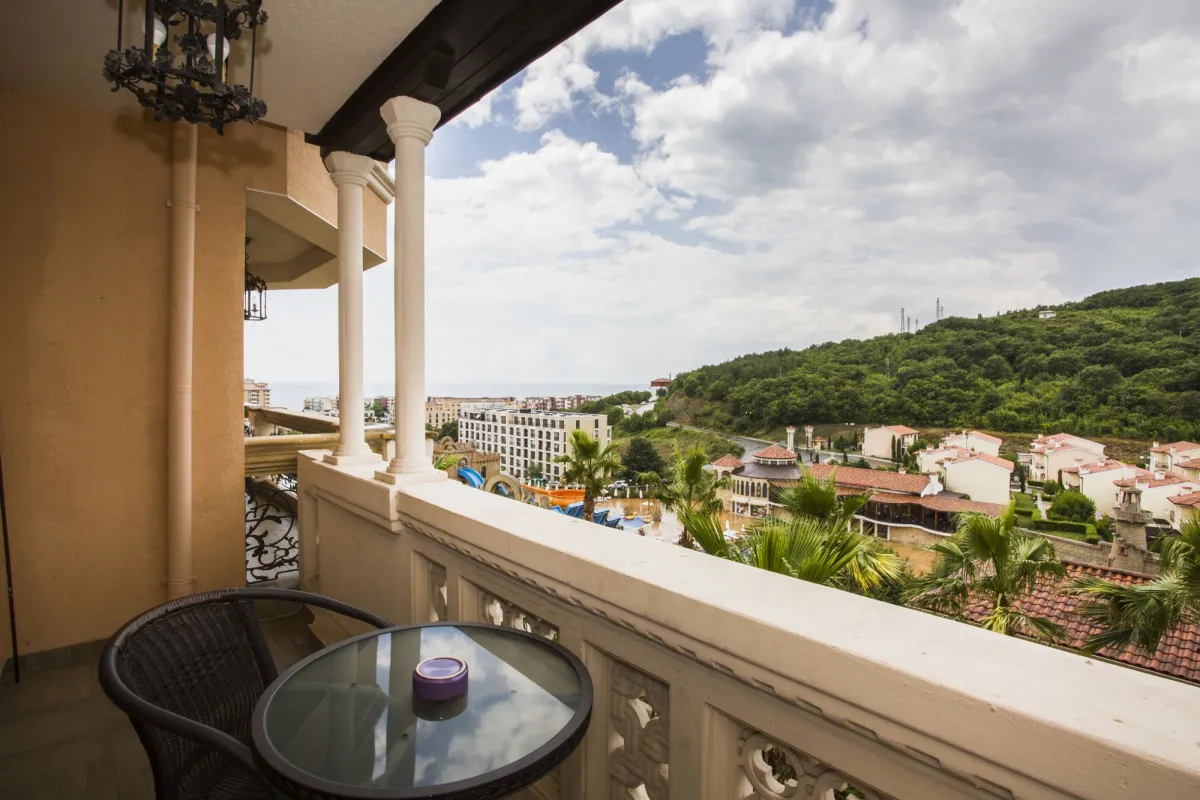 Photo: Royal Castle Hotel, via royalcastlehotel.bg
"There's no judgment here," explains group founder David Chen, a former investment banker who now runs walking tours focusing on the town's maritime history. "Everyone's story involves some element of risk, some leap of faith. We understand each other's journey."
Economic Ripples
This influx of educated, motivated newcomers is reshaping Dartmouth's economy in subtle but significant ways. Independent businesses are thriving as career-changers launch ventures that might struggle in more competitive markets. The town's cultural life has been energised by people with time, resources, and enthusiasm to contribute.
Local councillor James Hartwell notes the positive impact: "These aren't people moving here to retire in the conventional sense. They're bringing skills, experience, and often capital. They're starting businesses, supporting local suppliers, volunteering for community projects."
The Dartmouth Food Festival, now in its eighth year, exemplifies this trend. Founded by former London restaurateur Angela Price, it showcases local producers while drawing thousands of visitors to the town. Similar initiatives – from the harbour's floating market to the annual arts trail – often trace their origins to energetic newcomers.
Challenges and Realities
Yet reinvention in Dartmouth isn't without its difficulties. The seasonal economy can be brutal for new businesses. Housing costs strain budgets adjusted from urban salaries to rural realities. Some ventures fail, sending chastened entrepreneurs back to former careers or different locations.
Westbrook acknowledges the financial pressures: "My pottery income wouldn't rent a bedsit in my old neighbourhood. But my quality of life has improved immeasurably. I wake up excited about the day ahead – that's worth more than any salary."
The town also faces questions about sustainability. Can Dartmouth absorb unlimited numbers of affluent newcomers without losing its character? Some worry about the displacement of younger locals priced out of the housing market.
The Ripple Effect
As word spreads about Dartmouth's reinvention-friendly culture, the town is attracting attention from researchers studying career transitions and community development. The combination of cultural infrastructure, natural beauty, and social acceptance creates conditions that seem particularly conducive to successful life changes.
Psychologist Dr. Sarah Fleming, who studies career transitions, suggests Dartmouth offers an ideal environment for what she terms 'positive disruption'. "Major life changes require both challenge and support," she explains. "Dartmouth provides enough stimulation to keep people engaged, but sufficient community warmth to cushion the inevitable setbacks."
As I leave Westbrook's studio, watching her carefully load glazed pieces into the kiln, the transformation seems complete. The sharp-suited solicitor has been replaced by someone more relaxed, more grounded, more authentically herself. Whether her pottery will provide long-term financial security remains uncertain, but her contentment is unmistakable.
"I should have done this years ago," she reflects, wiping clay-stained hands on her apron. "But perhaps I needed those City years to appreciate what I have now. Dartmouth doesn't just offer a place to retire – it offers permission to become who you were always meant to be."