The Hedgerow Whisperers
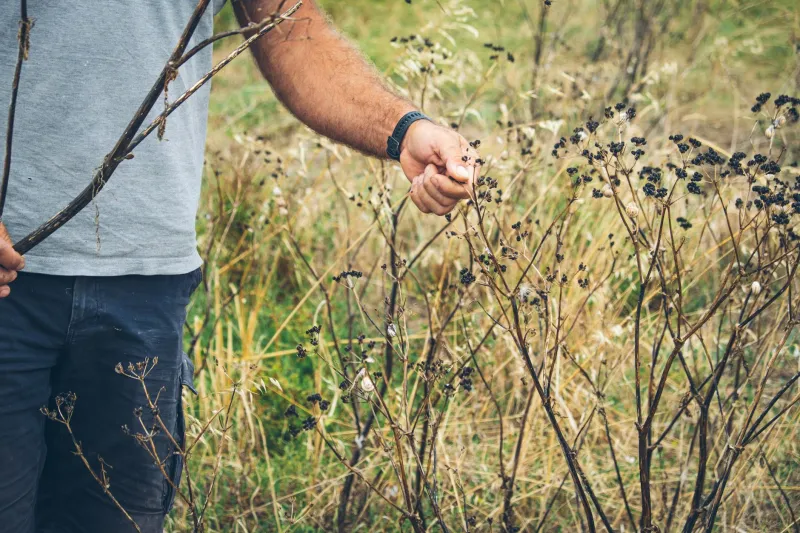
Sarah Mitchell crouches beside a seemingly ordinary stretch of Devon hedge, her weathered hands gently parting brambles to reveal clusters of deep purple elderberries. "People walk past this treasure trove every day," she says, plucking the ripe fruit with practised precision. "They see weeds where I see supper."
Mitchell is part of a growing movement across Southwest England that's rediscovering what our grandparents once took for granted: the countryside as a living larder. From the coastal paths of South Devon to the rolling hills of Dartmoor, foragers are teaching urbanites and newcomers to decode the secret language written in leaves, berries, and fungi.
What started as a niche hobby for survivalists has evolved into something far more profound—a bridge between traditional rural knowledge and modern wellbeing culture. In Devon's hedgerows, ancient wisdom meets contemporary curiosity, creating communities bound by a shared understanding of what the land can offer.
From City Stress to Country Sustenance
The transformation of James Harper tells this story perfectly. Three years ago, the former London marketing executive moved to a cottage near Totnes, drawn by promises of a slower pace of life. What he found instead was a landscape he couldn't read.
"I'd grown up thinking food came from supermarkets," Harper admits, carefully examining a hawthorn bush under Mitchell's guidance. "Moving to Devon, I was surrounded by all this abundance but had no idea what any of it was."
Harper's journey from foraging novice to confident hedgerow navigator mirrors that of many newcomers to the Southwest. The region's combination of mild climate, ancient field systems, and relatively untouched coastal areas creates perfect conditions for wild food—if you know where to look.
Today, Harper leads his own foraging walks, specialising in what he calls "gateway plants"—easily identifiable species like blackberries, nettles, and wild garlic that build confidence before moving on to trickier finds. His weekend workshops, running from spring through autumn, regularly sell out to a mix of locals and visitors eager to connect with the landscape in a more meaningful way.
The Science of Survival
But this isn't just about romantic notions of self-sufficiency. Dr. Emma Thornton, an ethnobotanist at the University of Exeter, has spent five years documenting traditional plant knowledge across Devon's rural communities. Her research reveals a sophisticated understanding of seasonal cycles, plant identification, and sustainable harvesting that took generations to develop.
 Photo: University of Exeter, via cdn.wpmeducation.com
"What we're seeing now is the democratisation of knowledge that was once passed down through families," Thornton explains. "Foraging courses are teaching people skills that their great-grandparents would have considered basic survival knowledge."
The plants themselves tell the story of Devon's agricultural history. Ancient hedgerows, some dating back over 800 years, contain species that arrived with different waves of settlement. Wild cherry and crab apple mark old farmstead boundaries, while patches of wild strawberries often indicate former cottage gardens.
Even the timing of harvests connects modern foragers to historical patterns. The traditional 'hungry gap' of early spring, when stored food ran low before new crops appeared, coincides perfectly with the emergence of nettles, cleavers, and other nutritious wild greens.
Rules of the Road
Of course, foraging comes with responsibilities. The Countryside Code applies as much to wild food gathering as to any other rural activity, and experienced foragers are evangelical about sustainable practices.
"Take only what you need, and never more than a third of what's there," Mitchell emphasises, demonstrating the 'rule of thirds' on a patch of wild rocket. "The plants need to survive, and so do the creatures that depend on them."
Permission is another crucial consideration. While foraging for personal consumption is generally allowed on public land, many of the best spots are on private property. Building relationships with landowners often proves more valuable than any guidebook.
Local farmer and landowner Robert Westwood has embraced this collaborative approach, allowing foraging groups onto his land near Kingsbridge in exchange for help with conservation projects. "They know the plants better than I do," he says. "In return for access, they help me identify rare species and monitor the health of our hedgerows."
The Taste of Place
The culinary rewards of hedgerow foraging extend far beyond simple sustenance. Wild foods carry flavours that cultivated varieties have often lost—the sharp intensity of crab apples, the peppery bite of watercress, the complex sweetness of rosehips.
Local chef Anna Rodriguez has built her reputation at Dartmouth's River Restaurant around these wild ingredients, creating menus that change not just with the seasons but with the weekly rhythms of the countryside. "You can't replicate these flavours," she explains, preparing a dish featuring foraged alexanders and sea purslane. "Each plant tells you exactly where and when it grew."
Rodriguez works closely with local foragers, buying surplus from their harvests while learning to identify new species herself. This relationship between professional kitchens and amateur foragers is creating a new kind of food economy—one based on intimate knowledge of specific places rather than global supply chains.
Reading the Signs
As climate change alters growing patterns across Britain, traditional foraging knowledge is proving increasingly valuable. Plants that once fruited in September now ripen in August, while some species are extending their growing seasons well into winter.
Experienced foragers like Mitchell have become inadvertent climate scientists, documenting these shifts through careful observation of their regular harvesting spots. "The landscape is talking to us all the time," she reflects, pointing out the early flowering of gorse on a south-facing slope. "We just need to remember how to listen."
For newcomers to Devon, learning this language offers more than just free food—it provides a way to belong to a place that can otherwise feel overwhelming in its beauty and history. In teaching city dwellers to recognise the difference between elderflower and meadowsweet, foraging guides are really offering lessons in becoming native to a landscape.
As Harper puts it, carefully packing away his day's harvest of wild mushrooms and autumn berries: "I came to Devon looking for a slower life. What I found was a deeper one."