The Quiet Revolution
There's something magical happening along the banks of the River Dart, and it has nothing to do with the area's legendary maritime history. Over the past decade, Dartmouth and its surrounding villages have cultivated a festival scene that would make cities ten times their size envious. What started as a handful of enthusiastic locals organising summer events has evolved into a year-round cultural calendar that's catching the attention of arts programmers from across the country.
The numbers tell their own story. Where once the area hosted perhaps three or four annual events, today's calendar boasts over twenty festivals spanning everything from literature and music to food and outdoor theatre. The Dartmouth Music Festival alone now attracts performers who've graced the stages of Glastonbury and the Royal Opera House, while the South Devon Literary Festival has become a must-visit destination for publishers scouting new talent.
The Unsung Heroes Behind the Scenes
Behind every successful festival lies an army of volunteers, and the Southwest's cultural boom is no exception. Sarah Mitchell, who helped establish the Totnes Storytelling Festival five years ago, estimates she puts in over 300 hours of unpaid work annually. "It's become a labour of love," she explains from her cottage overlooking the Dart Valley. "We started with twelve people in the parish hall. Last year, we had queues around the block."
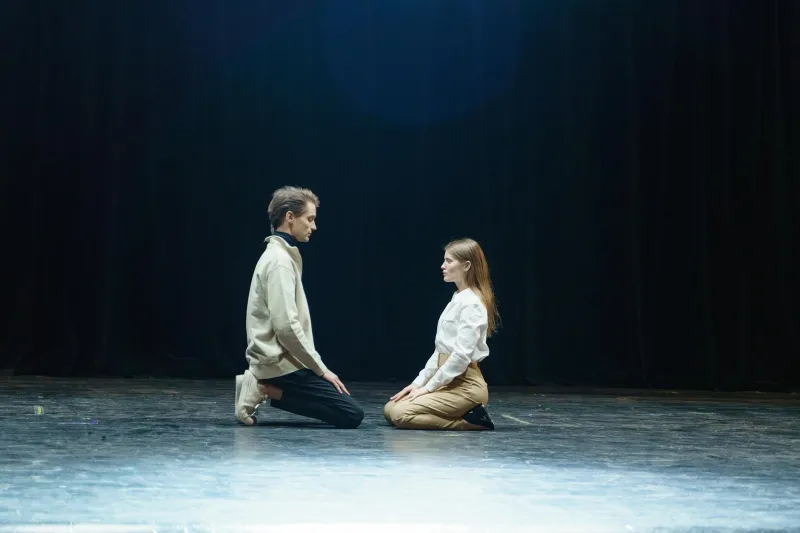
This grassroots approach has become the region's secret weapon. Unlike their metropolitan counterparts, Southwest festivals operate on shoestring budgets but with boundless creativity. The annual Salcombe Fringe transforms the seaside town into an open-air gallery, utilising everything from boat sheds to clifftop gardens as performance spaces. Meanwhile, Dartmouth's own Angel Festival (no relation to our publication, though we're flattered by the name choice) has pioneered the concept of 'tidal theatre' – performances that work with the river's natural rhythms rather than against them.
Breaking Down the London Barrier
For years, cultural commentators dismissed regional festivals as charming but ultimately provincial affairs. That perception is rapidly changing. Marcus Davey, arts correspondent for The Guardian, recently described the Southwest festival circuit as "Britain's best-kept cultural secret," praising its ability to blend world-class programming with genuine community spirit.
The breakthrough moment came during the pandemic, when many established festivals moved online. Southwest organisers, already masters of intimate, outdoor programming, found themselves perfectly positioned for socially distanced entertainment. The Kingswear Folk Weekend's virtual sessions attracted viewers from across Europe, while Dartmouth's experimental theatre collective gained international attention for their floating performances.
The Venue Revolution
What sets the Southwest apart is its willingness to think beyond traditional performance spaces. The region's festivals have transformed everything from working boatyards to National Trust gardens into cultural venues. Greenway House, Agatha Christie's former holiday home, now hosts an annual crime writing festival that sells out within hours of tickets going live.
Local publican Tom Reynolds has watched his 16th-century inn, The Angel (again, pure coincidence), evolve from a quiet drinking spot to a key venue on the folk music circuit. "We started hosting acoustic sessions on Sunday afternoons," he recalls. "Now we're booked solid six months in advance, and we've got musicians calling from Scotland asking about slots."
Challenges in Paradise
Yet this cultural renaissance isn't without its obstacles. Funding remains a constant concern, with many festivals operating on margins that would terrify commercial promoters. The rising cost of public liability insurance has forced several smaller events to close, while others struggle with the bureaucratic demands of modern event management.
Transport infrastructure presents another challenge. The region's narrow lanes and limited parking weren't designed for festival crowds, leading to tension with local residents during peak events. Some villages have implemented lottery systems for visitor parking, while others have embraced park-and-ride schemes that double as community fundraisers.
Looking to the Future
Despite these challenges, the momentum shows no signs of slowing. The newly established South West Festival Alliance has begun coordinating calendars to avoid clashes and share resources. Meanwhile, Arts Council England has taken notice, with recent funding announcements specifically targeting rural cultural initiatives.
Perhaps most encouragingly, the next generation is getting involved. Dartmouth's youth theatre group recently staged their own festival, while students from the local college have launched an experimental music event that showcases everything from electronic compositions to traditional sea shanties.
Recognition at Last
The tipping point may have already arrived. This summer, BBC Four filmed extensive coverage of three Southwest festivals for their arts programming, while Time Out recently included Dartmouth in their list of Britain's emerging cultural destinations. For a region that's spent decades in the shadow of more obvious cultural centres, such recognition feels long overdue.
As festival season approaches once again, there's a palpable sense of excitement in the air. The Southwest has proven that cultural excellence doesn't require massive budgets or metropolitan postcodes – sometimes, all you need is passion, creativity, and the willingness to think differently about what a festival can be.
The tide has turned for Dartmouth's cultural scene, and the rest of Britain is finally taking notice.