When the Bell Tolled for Last Orders
The statistics make for sobering reading. Every week, another handful of Britain's pubs close their doors for the final time, victims of rising costs, changing habits, and property developers with pound signs in their eyes. Yet here in Southwest England, something rather extraordinary is happening. Communities are rolling up their sleeves and proving that reports of the British pub's death have been greatly exaggerated.
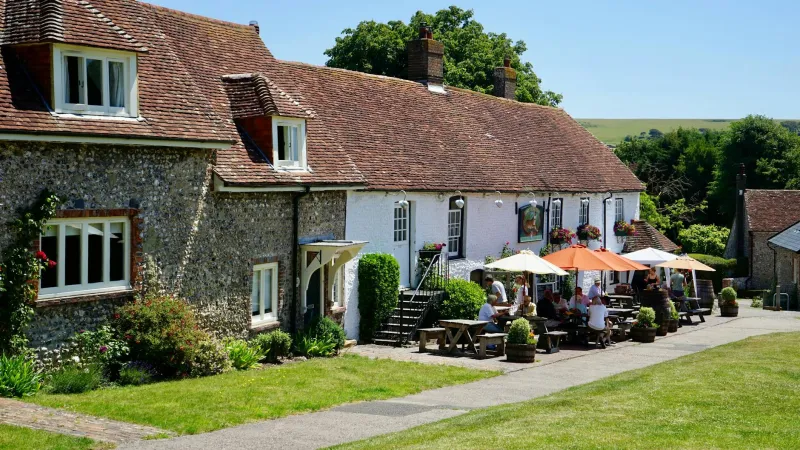
Take the George Inn in Blackawton, a stone's throw from Dartmouth. When developers circled like vultures in 2019, threatening to convert this 16th-century coaching inn into luxury flats, the village didn't just mourn—they mobilised. Within eighteen months, they'd raised £380,000 through community shares, grants, and sheer bloody-mindedness. Today, the George isn't just surviving; it's thriving as a community-owned hub that serves everything from locally-sourced Sunday roasts to yoga classes.
"People said we were mad," laughs Sarah Mitchell, one of the George's founding shareholders and a local artist whose work often graces the pub's walls. "But this place is where marriages are celebrated, where we hold our parish meetings, where the cricket team drowns their sorrows after another defeat. You can't put a price on that."
More Than Just a Pint and a Packet of Crisps
The transformation of these community-owned pubs goes far beyond preserving a place to grab a pint. The Star Inn in Crowlas, Cornwall, exemplifies this evolution. When the pub faced closure in 2017, local residents didn't just buy the building—they reimagined what a 21st-century village pub could be.
Today, the Star operates as a pub, post office, shop, and community café. It hosts everything from book clubs to business meetings, and its kitchen sources ingredients from farms within a five-mile radius. Landlord Tom Pearce, who moved from London specifically to take on the challenge, explains: "We're not competing with Wetherspoons on price or city gastropubs on fancy food. We're offering something they can't—genuine community connection."
The numbers back up this approach. Community-owned pubs have a success rate of over 90%, compared to traditional commercial operations that struggle with increasingly tight margins. The secret ingredient isn't mysterious—it's local investment, both financial and emotional.
The Dartmouth Connection
Closer to home, Dartmouth itself has watched this movement with keen interest. While the town's waterfront establishments benefit from tourist footfall, the surrounding villages tell a different story. The Cherub Inn, though not community-owned, has become a model for how historic pubs can adapt while maintaining their character.
Its success has inspired nearby communities to consider similar ventures. The Floating Bridge Inn in Kingswear, visible across the river from Dartmouth's Royal Naval College, recently launched a community share scheme after its previous owners struggled with mounting debts.
"The pandemic taught us that pubs aren't just businesses—they're social infrastructure," observes Dr. Emma Reynolds, a Dartmouth resident and sociologist who's been tracking the community pub movement. "When they close, something irreplaceable is lost. When communities step in to save them, something remarkable is born."
Beyond Nostalgia: A Modern Solution
This isn't about clinging to a rose-tinted past. The most successful community pubs blend tradition with innovation. The Old Smithy in Welcombe, near the Devon-Cornwall border, installed electric vehicle charging points and offers co-working spaces for remote workers—acknowledging that their community includes newcomers drawn by Southwest England's quality of life.
Meanwhile, the Drewe Arms in Drewsteignton has become famous for its 100-year-old barmaid, Mabel Mudge, but it's the pub's forward-thinking approach to sustainability and local sourcing that ensures its future. Solar panels share roof space with traditional thatch, while the beer garden grows vegetables for the kitchen.
Challenges and Triumphs
Not every rescue attempt succeeds. The process of community ownership involves navigating complex legal frameworks, raising substantial funds, and maintaining volunteer enthusiasm long after the initial excitement fades. Some villages discover that romantic notions of pub ownership clash with the harsh realities of profit margins and licensing laws.
Yet the successes far outweigh the failures. The Plough Inn Community Benefit Society model, developed in Devon, has been replicated across Britain. These pubs report stronger community cohesion, increased local spending, and renewed civic engagement.
The Future of the Local
As property prices soar and chain pubs homogenise the landscape, community-owned establishments offer something increasingly precious: authenticity. They're places where locals know your name, where conversations flow as freely as the ale, and where strangers become friends over shared tables.
For visitors to Southwest England, these pubs offer an unfiltered taste of local life. They're where you'll hear the real stories, taste truly local produce, and understand why communities fight so fiercely to preserve them.
The movement represents more than successful business models—it's a declaration that some things matter more than profit margins. In an age of digital connection and urban isolation, these pubs prove that the most important networks are still built face-to-face, one conversation at a time.
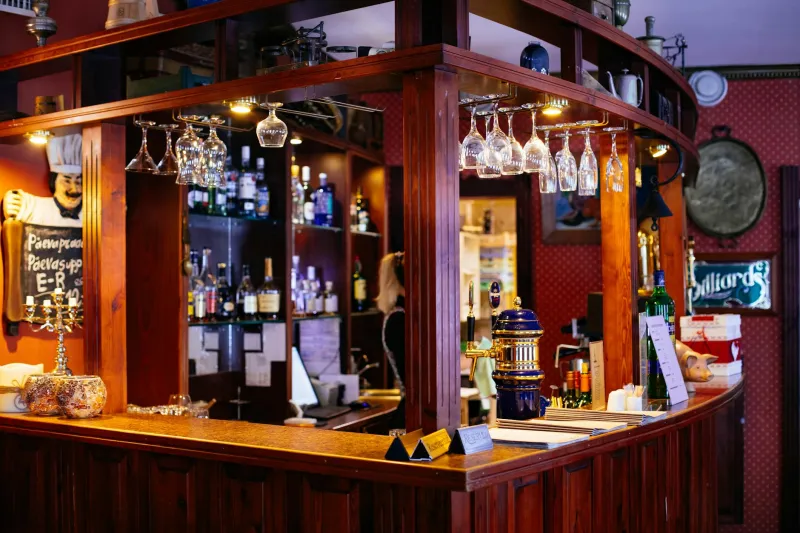
As Sarah Mitchell puts it, raising her glass at the George Inn's bustling bar: "We didn't just save a pub. We saved ourselves."