Hidden in Plain Sight
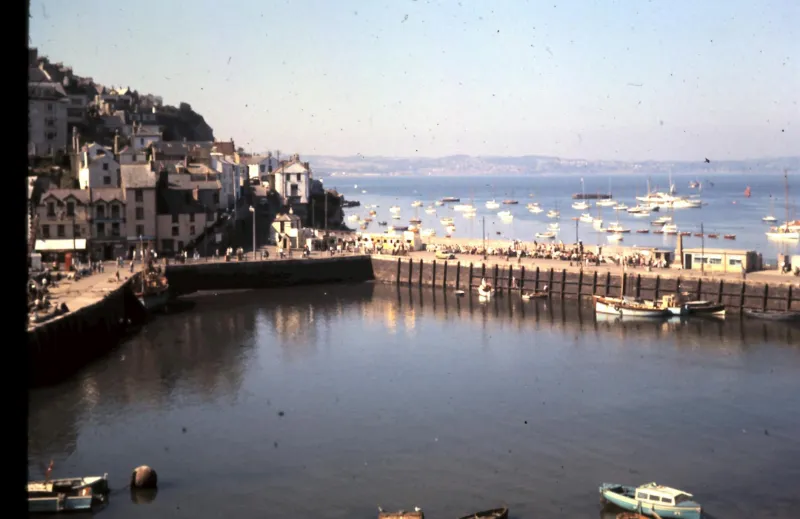
Walk along Dartmouth's picturesque waterfront today, and you'll witness a bustling river alive with pleasure craft, working boats, and the constant dance of ferries shuttling between banks. What you won't immediately see is the centuries-old story of women who made this maritime choreography possible – stories that are finally being brought back to light.
"People assume the river was always a man's world," says Dr. Sarah Whitfield, a maritime historian based in Totnes who's spent the past five years combing through Devon Record Office archives. "But that's simply not true. Women were absolutely integral to keeping the Dart's commercial life flowing."
Her research reveals a fascinating tapestry of female enterprise that stretches back to medieval times, when women operated everything from passenger ferries to cargo barges, often inheriting these businesses from husbands or fathers and expanding them with remarkable commercial acumen.
The Ferry Queens of Old
Take Elizabeth Newcombe, who in 1847 held the licence for the Higher Ferry crossing near Totnes. Contemporary records show she employed three men and operated two boats, charging threepence for foot passengers and a shilling for horses and carts. When the railway arrived in 1872, threatening her livelihood, she pivoted to pleasure trips and fishing excursions – an early example of the tourism adaptability that would become crucial to the region's survival.
Or consider Mary Holdsworth, who ran the Anchor Inn at Mill Creek in the 1890s whilst simultaneously operating a water taxi service for visiting yachtsmen. Her detailed logbooks, discovered in a Kingswear attic renovation just three years ago, reveal a woman who spoke three languages, maintained detailed weather records, and charged different rates based on tidal conditions – a sophisticated understanding of river economics that would impress modern harbour masters.
"These weren't just women filling in gaps," explains Whitfield. "They were often the primary operators, making strategic business decisions and adapting to changing economic conditions with remarkable skill."
Modern River Women
This tradition of female river leadership hasn't vanished – it's simply evolved. Today's Dart estuary hosts a new generation of women who are consciously connecting with this heritage whilst forging their own paths on the water.
Captain Emma Thornley, who operates heritage boat trips from Dartmouth's Butterwalk Quay, discovered her calling after finding her great-grandmother's ferry licence in family papers. "Learning that Gran had operated passenger boats in the 1920s completely changed how I saw my own work," she reflects. "I'm not breaking new ground – I'm continuing a family tradition that was temporarily interrupted."
Thornley now runs 'River Stories' tours that specifically highlight women's contributions to Dart maritime history, taking passengers to sites where female ferry operators once worked and sharing tales gleaned from local archives and family memories.
Beyond the Boats
The influence of women extended far beyond boat operation. River-adjacent businesses – the inns, chandleries, and warehouses that supported maritime trade – were frequently female-owned and operated. These establishments served as informal banks, post offices, and meeting places for river communities.
Jenny Blackmore, current manager of the Royal Castle Hotel, has uncovered records showing that her Victorian predecessor, Agnes Fortescue, operated what was essentially Dartmouth's first business hotel. "She provided specialised services for visiting ship captains and merchants – secure storage, letter forwarding, even basic banking services," Blackmore explains. "She understood that successful river trade needed sophisticated shore-based support."
This entrepreneurial spirit resonates with contemporary businesswomen around the estuary. Sarah Mitchell, who runs Dart Valley Food Tours, explicitly draws inspiration from historical accounts of women who operated riverside markets and managed food supplies for visiting vessels.
Reclaiming the Narrative
What's particularly striking is how actively today's river women are researching and celebrating their predecessors. The recently formed 'Women of the Water' group meets monthly at the Dartmouth Museum, combining archival research with practical river skills workshops.
"We're not just learning about history – we're actively reclaiming it," says group coordinator Lisa Pemberton, who works as a harbour administrator. "For too long, maritime heritage has been told as exclusively male story. We're correcting that record whilst building our own expertise on the water."
The group has already identified over forty documented female ferry operators, inn keepers, and maritime businesswomen from the Dart estuary's past, with research ongoing. They're planning a heritage trail and working with local schools to ensure these stories reach younger generations.
A Living Legacy
Perhaps most importantly, this isn't merely historical curiosity. Understanding women's historical roles on the river is informing contemporary approaches to maritime heritage and tourism development.
"These women understood something we're rediscovering now," observes Whitfield. "Rivers aren't just transport routes – they're community spaces that need diverse voices and perspectives to truly thrive."
As pleasure boats and working vessels continue their ancient dance on Dartmouth's waters, the stories of river women – past and present – remind us that this maritime heritage belongs to everyone. The Dart's queens may have been temporarily forgotten, but they're certainly not gone.