The Dawn Ritual
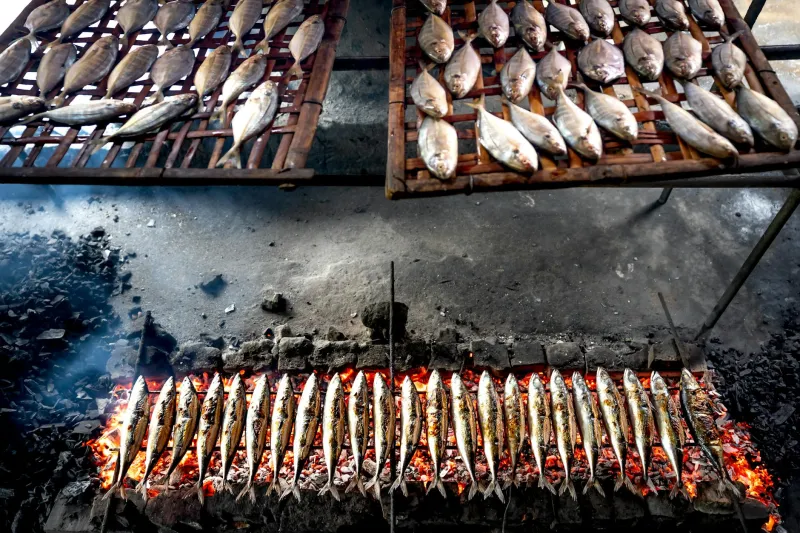
Before the sun breaks over Start Bay, Tom Hedley is already knee-deep in his morning ritual. Salt crystals crunch underfoot as he checks yesterday's catch, now hanging like silver curtains in his smoke house near Slapton. The 67-year-old has been following the same routine his grandfather taught him—a process that hasn't changed in over three centuries.
"People think we're mad, doing it the hard way," Tom chuckles, running weathered fingers along a perfectly cured mackerel. "But there's something these modern methods can't replicate. It's in the time, the patience, the understanding of what the fish needs."
Across Devon's coastline, fewer than a dozen artisans still practice traditional fish preservation—salt-curing, cold-smoking, and air-drying techniques that predate refrigeration by millennia. These methods, once essential for survival in coastal communities, are now the preserve of a dedicated few who refuse to let centuries of knowledge slip away with the tide.
Ancient Wisdom, Modern Revival
What makes this story particularly fascinating is the growing appetite for these traditional flavours among a new generation. From Dartmouth's finest restaurants to Plymouth's bustling food markets, chefs and food lovers are rediscovering the complex, nuanced tastes that only time-honoured preservation can achieve.
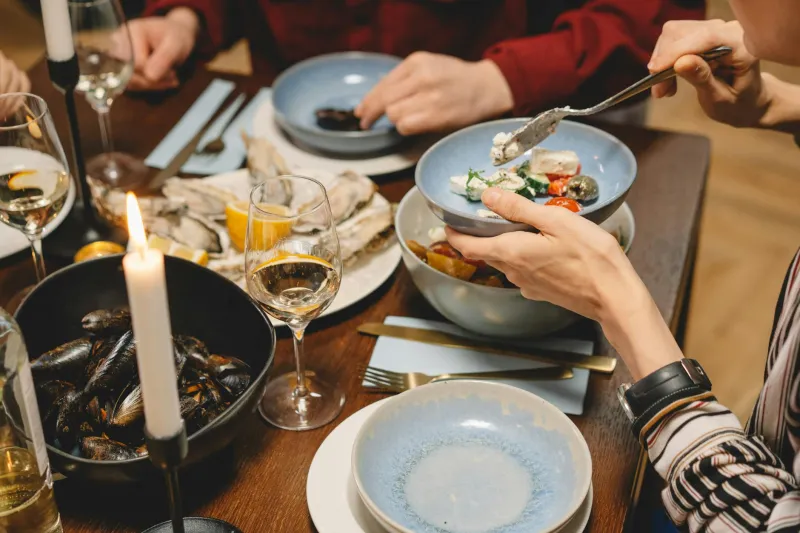
Sarah Chen, head chef at Dartmouth's award-winning Seahorse Restaurant, sources directly from three traditional curers along the South Devon coast. "The depth of flavour is incomparable," she explains. "When Tom brings me his salt-cured sea bass, it's like tasting the ocean itself—concentrated, pure, with layers that develop as you eat."
This renaissance isn't just about taste. For many younger artisans now learning these skills, it represents a connection to place and heritage that feels increasingly precious in our globalised world.
The Young Apprentices
Meet Jake Morrison, 28, who left his job in London's financial district to learn traditional smoking techniques from master craftsman Bill Tremlett in Brixham. "I was burnt out, disconnected," Jake admits, tending to oak chips in a smoke house that's operated continuously since 1847. "This work grounds you. You're part of something bigger—a chain of knowledge stretching back generations."
The learning curve is steep. Traditional salt-curing requires understanding not just the fish, but the salt itself—its origin, crystal size, mineral content. The weather matters too: humidity, wind direction, temperature fluctuations all affect the curing process.
"You can't rush it," explains Bill, who's been perfecting his craft for forty years. "Modern methods might take hours. Proper salt-curing takes weeks. The fish tells you when it's ready, not the other way around."
The Science of Salt and Time
The traditional process begins with the catch itself. Fish must be absolutely fresh—ideally caught and processed within hours. The salt, often sourced from Cornwall's ancient sea salt works, is applied in precise ratios that vary by species, size, and season.
Mackerel might spend three days buried in coarse salt before hanging in cool, airy spaces for up to two weeks. Larger fish like cod can take a month or more, developing a firm texture and concentrated flavour impossible to achieve through modern methods.
The smoking process adds another layer of complexity. Different woods impart distinct flavours—oak for robustness, apple for delicacy, beech for a clean finish. Temperature control is crucial: too hot and you cook the fish; too cool and it doesn't develop the necessary preservative compounds.
Cultural Preservation at Risk
Despite growing interest from chefs and food enthusiasts, the knowledge base remains fragile. Many traditional curers are reaching retirement age with no obvious successors. The physical demands are considerable, the financial rewards modest, and the learning process can take years.
"We're at a tipping point," warns Dr. Emma Hartwell, a food historian at Exeter University who's documenting traditional preservation methods across the Southwest. "Once this knowledge is gone, it's gone forever. These aren't just recipes—they're entire cultural systems built around understanding fish, salt, weather, and time."
Local councils and heritage organisations are beginning to recognise the cultural value of these traditions. The South Devon Heritage Trust recently awarded grants to three traditional curers to document their methods and train apprentices.
The Taste of Place
What strikes visitors to these traditional operations is how deeply rooted they are in their specific locations. The salt air of Dartmouth produces different results from the sheltered coves of the South Hams. Each curer develops techniques adapted to their microclimate, their local fish species, their particular source of salt.
"You can't replicate this in a factory," Tom Hedley insists, surveying his domain of hanging fish and salt-crusted tables. "This is about place, about understanding your environment intimately. It's as much art as science."
As Devon's food scene continues to gain national recognition, these traditional curers represent something invaluable—a direct link to the maritime heritage that shaped this coastline. Their products grace the tables of London's finest restaurants, but their hearts remain firmly anchored in the communities where their grandfathers first learned to read the wind and salt the catch.
The question now is whether enough young people will choose this demanding path to ensure these ancient skills survive another generation. For those who do, they're not just preserving fish—they're preserving a way of life that connects us to the very essence of coastal living.