The Flickering Light of Independent Cinema
In the market town of Totnes, Sarah Mitchell arrives at the Civic Hall every Thursday evening with a battered projector case and an infectious enthusiasm that's kept local cinema alive for the past seven years. She's one of dozens of unsung heroes across Devon who've taken it upon themselves to ensure that film culture doesn't die with the multiplex.
"People think we're mad," Sarah laughs, threading 35mm film through the vintage equipment she's lovingly maintained since taking over the volunteer-run Totnes Cinema. "But when you see a child's face light up during their first proper cinema experience, or watch a room full of pensioners debating a foreign film afterwards, you realise we're preserving something irreplaceable."
Across Devon and the wider Southwest, independent cinemas are facing an existential crisis that makes the pandemic look like a mere intermission. Rising energy costs, dwindling volunteer numbers, and competition from streaming services have created a perfect storm that threatens to pull the final curtain on community cinema.
More Than Just Movies
Yet these venues represent far more than entertainment spaces. The Flavel Arts Centre in Dartmouth, originally built as a church in 1881, has evolved into the town's cultural heartbeat. Director James Thompson explains how their eclectic programming goes beyond mainstream releases.
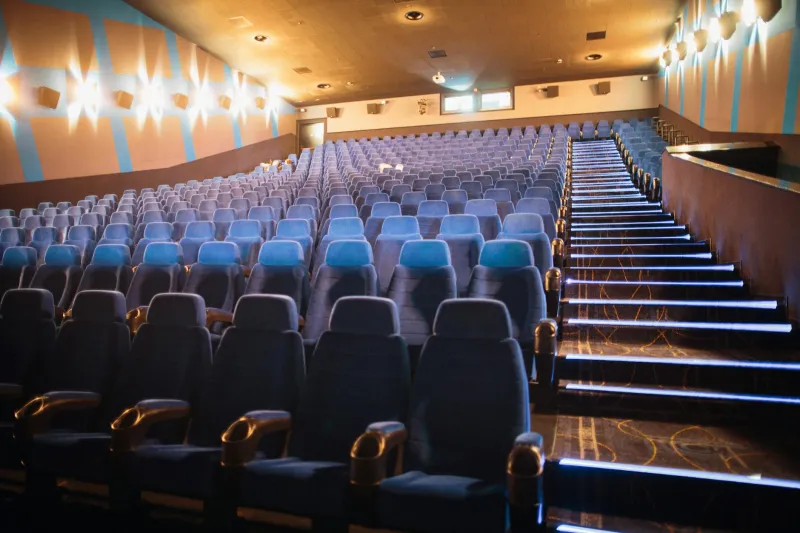
"We're not trying to compete with Cineworld," he says, gesturing towards the intimate 120-seat auditorium where exposed beams tell stories of the building's ecclesiastical past. "Our job is to curate experiences you can't get anywhere else. Last month we screened a 1920s silent film with live piano accompaniment, followed by a Q&A with a local historian. Try getting that at your local multiplex."
This approach to programming has become the secret weapon of Devon's independent cinemas. The Electric Picture House in Wotton-under-Edge regularly hosts themed evenings where local restaurants provide period-appropriate refreshments. Meanwhile, the Barn Cinema near Dartington has gained a cult following for their 'Bring Your Dog' screenings and outdoor summer showings that transform their field into a drive-in experience.
The Economics of Passion
Behind these creative triumphs lies a sobering financial reality. Most independent cinemas operate on shoestring budgets that would make accountants weep. The Palace Cinema in Paignton, a beautiful Art Deco survivor from 1912, relies almost entirely on volunteer labour and community fundraising to keep its doors open.
Volunteer coordinator Margaret Hewitt has witnessed the venue's struggles firsthand. "We're essentially running a heritage building, a cinema, and a community centre all at once," she explains. "Our heating bills alone could fund a small film festival, but we can't compromise on comfort – not when we're asking people to choose us over their heated living rooms."
The challenge is particularly acute for venues showing specialist content. Foreign films, documentaries, and arthouse releases that define independent cinema culture often struggle to attract the audience numbers needed to cover basic running costs. Yet these are precisely the films that volunteers believe justify their existence.
Digital Dilemmas and Creative Solutions
The transition to digital projection, while reducing some operational headaches, has created new financial pressures. Equipment costs that seemed manageable for major chains represent insurmountable barriers for volunteer-run venues. Some have turned to crowdfunding with remarkable success – the Regal Cinema in Evesham raised £40,000 through community support to upgrade their projection system.
Others have embraced hybrid approaches that blend traditional cinema with modern technology. The Kingsbridge Cookworthy Museum has partnered with local tech enthusiasts to create a pop-up cinema that transforms their exhibition space into a screening room using portable digital equipment.
The Community Stakes
What's at stake extends far beyond entertainment options. Dr. Emma Richardson, a cultural geographer at the University of Exeter, has studied the role of independent cinemas in rural communities. Her research suggests these venues serve as crucial social infrastructure, particularly for older residents and families.
"When a local cinema closes, you lose more than just a place to watch films," she explains. "You lose a gathering point, a cultural anchor, and often one of the few remaining spaces where different generations interact naturally. The social cost is immeasurable."
This understanding has sparked a growing movement of cinema activism across the Southwest. The recently formed Devon Independent Cinema Network connects venues to share resources, coordinate programming, and lobby for better support. Their efforts have already secured small grants from Arts Council England and local authorities.
Looking Forward
Despite the challenges, there are reasons for optimism. Younger volunteers are bringing fresh energy and digital skills to established venues, while new initiatives like the mobile cinema project serving remote Dartmoor villages prove that innovation can overcome geographic barriers.
The success stories are inspiring. The Curzon Clevedon, once threatened with closure, has been transformed through community ownership into a thriving venue that combines heritage cinema with contemporary programming. Their model is being studied by other communities facing similar challenges.
As Sarah Mitchell in Totnes puts it: "We're not just keeping cinemas alive – we're keeping communities alive. Every time someone chooses to support their local independent cinema instead of driving to the retail park, they're voting for the kind of society they want to live in."
In an age of streaming and social media isolation, perhaps that's the most important story these venues have to tell. The fight for independent cinema in Devon isn't really about films at all – it's about preserving spaces where communities can dream, debate, and connect in the flickering darkness that has captivated audiences for over a century.