The Unexpected Renaissance
When Sarah Mitchell took over The Blacksmith's Arms in Lustleigh three years ago, the 16th-century pub was struggling to survive on pint sales alone. Today, the timber-framed building buzzes with monthly art exhibitions, weekly folk sessions, and quarterly literary salons that draw visitors from across the South West. "We realised we needed to offer something you can't get at home," explains Mitchell, wiping down tables between the morning coffee crowd and evening's poetry reading setup.
This transformation isn't unique to Lustleigh. Across Devon's villages, a new breed of publican is reimagining what the local can be. Rather than mourning the decline of traditional pub culture, these entrepreneurs are crafting spaces that blend the convivial spirit of the English pub with the cultural hunger of modern communities.
The Gallery in the Tap Room
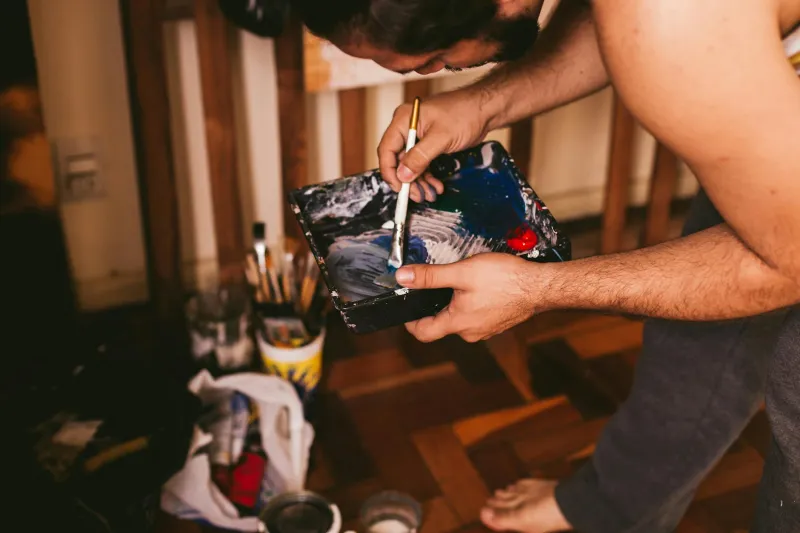
Twenty miles south, The Anchor Inn in Cockington has turned its back bar into a rotating gallery space featuring local artists. Landlord James Hartwell, a former London gallery assistant who moved to Devon during the pandemic, saw an opportunity to merge his two passions. "City folk think culture stops at the M25, but some of the most innovative work I've seen is happening in these rural studios," he says, gesturing toward a striking seascape by Brixham artist Elena Rodriguez.
The monthly 'First Friday' openings have become social events in their own right, with wine tastings paired with artist talks and live acoustic sets. Local ceramicist Tom Bradshaw, whose work currently graces the pub's walls, credits the venue with expanding his audience beyond the usual craft fair circuit. "I've sold more pieces here than in three years of farmers' markets," he admits, nursing a pint while discussing glazing techniques with curious punters.
Music That Moves Mountains
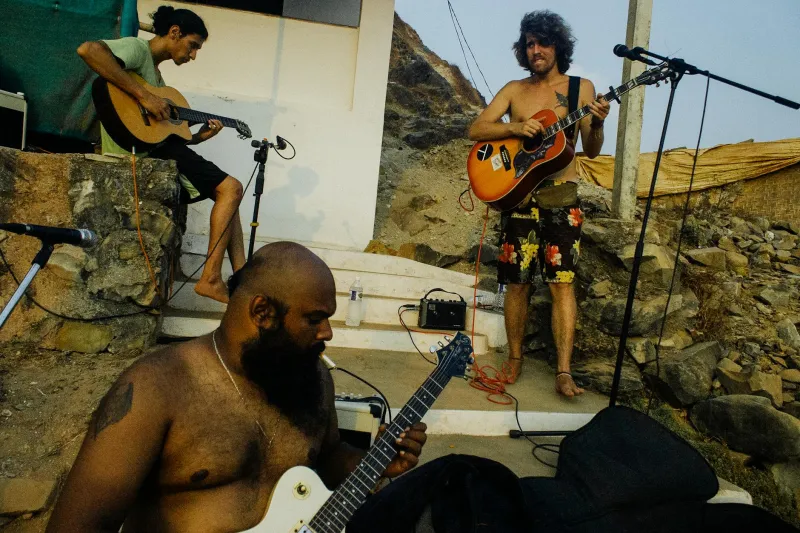
In the moorland village of Widecombe, The Old Inn has embraced its musical heritage with gusto. Landlady Emma Thornton has transformed the pub's function room into an intimate concert venue, hosting everything from traditional Devon folk to experimental jazz. The monthly 'Moorland Sessions' regularly sell out, drawing musicians and audiences from Plymouth to Exeter.
"There's something magical about hearing live music in a space that's been welcoming people for centuries," reflects Thornton, whose background in event management proved invaluable when pivoting the business. The pub's success has inspired neighbouring establishments, creating an informal circuit of venues across Dartmoor that supports touring musicians and local talent alike.
Fiddler and songwriter Kate Pemberton, a regular performer at The Old Inn, explains the appeal: "These pubs offer something concert halls can't – intimacy and authenticity. You're not just watching a performance; you're part of a community experience."
Words and Wisdom Over Wine
Literary events have found particularly fertile ground in Devon's pub scene. The Blacksmith's Arms' quarterly 'Prose and Pints' evenings feature local authors reading from their work, while The Anchor's monthly book club has evolved into a hybrid social and educational gathering that pairs literary discussion with themed menus.
Local novelist Rebecca Walsh, whose debut novel about Dartmoor shepherding was launched at The Blacksmith's Arms, appreciates the informal atmosphere. "There's something wonderfully democratic about literary events in pubs," she observes. "You get readers who might never set foot in a traditional bookshop or library, but they're curious and engaged."
The Business of Cultural Survival
This cultural pivot isn't just about artistic passion – it's smart business. Mitchell reports that event nights generate significantly higher revenues than traditional pub evenings, while building a loyal customer base that returns for regular drinks and meals. "Our food covers are up 40% since we started the cultural programme," she notes, "and we're seeing midweek trade that simply wasn't there before."
The model seems particularly well-suited to Devon's mix of residents and visitors. Tourists seeking authentic cultural experiences find these venues through word-of-mouth and social media, while locals appreciate having sophisticated entertainment options within walking distance.
Looking Forward
As these pioneer pubs demonstrate their success, others are taking notice. The Campaign for Real Ale has begun highlighting cultural programming in its pub guides, while local councils are recognising these venues as valuable community assets worthy of support.
For Mitchell, the transformation represents something deeper than business strategy. "We're not trying to recreate London or Bristol here," she explains. "We're proving that rural communities can nurture culture in their own distinctive way. The pub has always been the heart of village life – we're just expanding what that means."
This quiet revolution suggests a promising future for rural cultural life, one pint and poetry reading at a time. In an age of digital entertainment and urban cultural dominance, Devon's village pubs are proving that sometimes the most innovative cultural spaces are hiding in the most traditional settings.