The Empty Stage
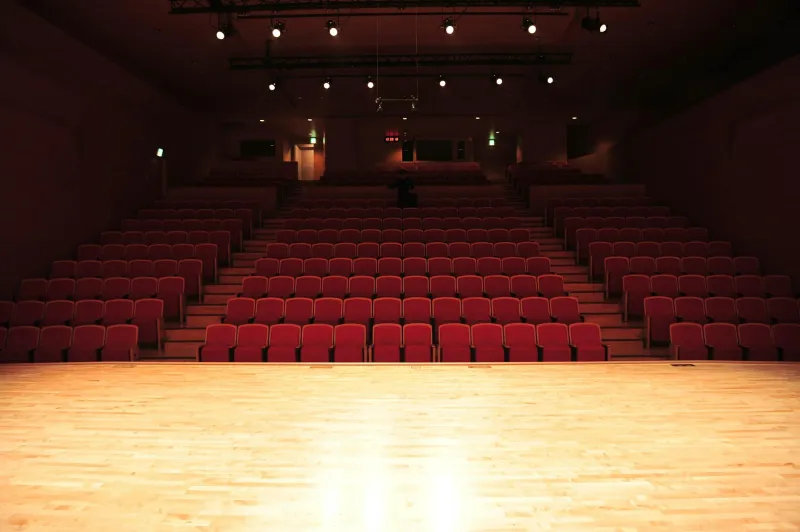
The silence inside Cornworthy Village Hall is deafening. Where once the WI meetings buzzed with conversation and amateur dramatics filled Thursday evenings with laughter, now only dust motes dance in the afternoon light streaming through tall windows. The stage that hosted decades of Christmas pantomimes stands bare, its faded red curtains drawn back to reveal nothing but shadows.
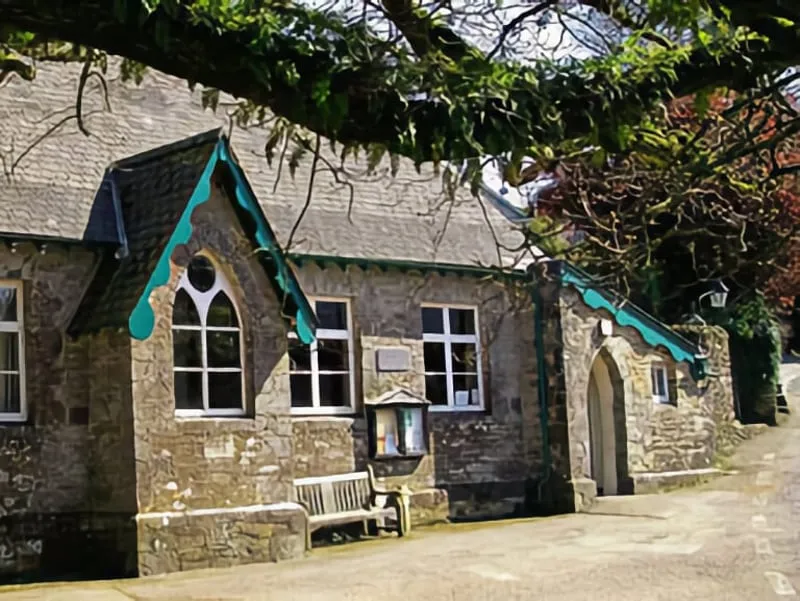 Photo: Cornworthy Village Hall, via cornworthyvillagehall.uk
Margaret Fielding, the hall's 78-year-old treasurer, runs her hand along the worn wooden floor where generations of villagers have danced, voted, and gathered in times of crisis. "We've got perhaps six months left," she says quietly. "After that, I don't know what happens."
Cornworthy's plight isn't unique. Across Devon and the broader Southwest, village halls are closing at an alarming rate. The latest figures from the Department for Digital, Culture, Media and Sport paint a stark picture: rural England loses an average of two community buildings every week, with village halls bearing the brunt of this cultural hemorrhage.
The Invisible Infrastructure
To understand what's at stake, you need to grasp what these modest buildings actually represent. Village halls aren't just venues—they're the invisible infrastructure of rural democracy and culture, serving roles that city dwellers take for granted are filled by purpose-built institutions.
In Marldon, the village hall doubles as a polling station during elections and a food distribution centre during emergencies. Its main room has hosted everything from wedding receptions to council meetings, while the smaller committee room serves as a rehearsal space for the local choir and a classroom for adult education courses.
"People think of village halls as quaint relics," says Dr. Rebecca Lawson, who studies rural community infrastructure at Plymouth University. "But they're actually the Swiss Army knives of rural life—multi-functional spaces that adapt to whatever the community needs."
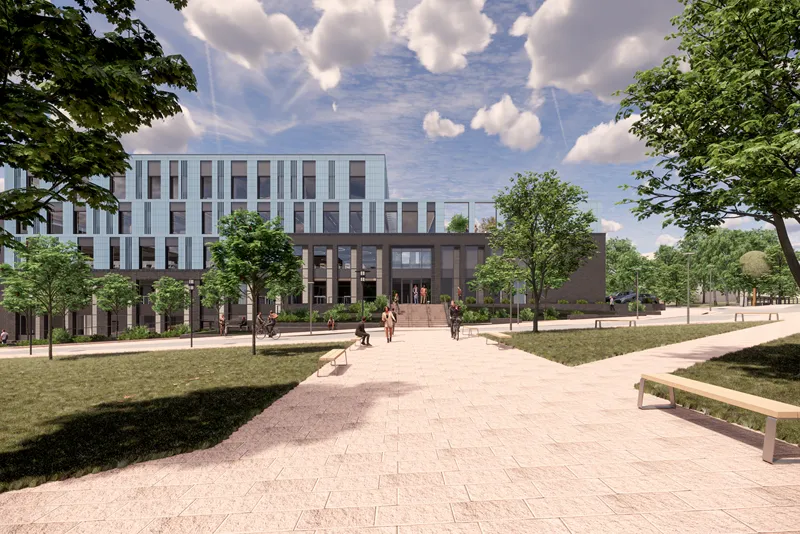 Photo: Plymouth University, via fcbsassetserver.azurewebsites.net
The statistics bear this out. The average village hall hosts over 200 different events annually, from regular fitness classes and hobby groups to one-off celebrations and emergency meetings. During the pandemic, many became vaccination centres, food banks, and the only venues where isolated residents could maintain social connections.
The Volunteer Exodus
The crisis facing these buildings isn't primarily about bricks and mortar—it's about people. Village hall committees across Devon are aging out, with many struggling to find younger residents willing to take on the administrative burden of running what are, essentially, small businesses.
Peter Ashworth, chairman of Stoke Gabriel Village Hall, embodies this challenge. At 72, he's been managing the building's finances, bookings, and maintenance for nearly two decades. "I've tried to step down three times," he admits, surveying the hall's newly installed LED lighting system—a project he personally managed to secure £8,000 in funding for. "But there's nobody else willing to take it on."
The workload is daunting. Modern village hall committees must navigate complex health and safety regulations, manage increasingly sophisticated booking systems, chase multiple funding streams, and coordinate maintenance on buildings that often date back over a century. It's voluntary work that demands professional-level skills.
Meanwhile, the communities these halls serve are changing rapidly. Young families priced out of urban areas arrive with different expectations and lifestyles, often commuting long distances for work and lacking the deep local connections that once made committee service feel like a natural civic duty.
Digital Natives, Analogue Spaces
Yet in some corners of Devon, a counter-narrative is emerging. At Harberton Village Hall, a group of newcomers in their thirties and forties has taken control, transforming both the building's function and its financial outlook.
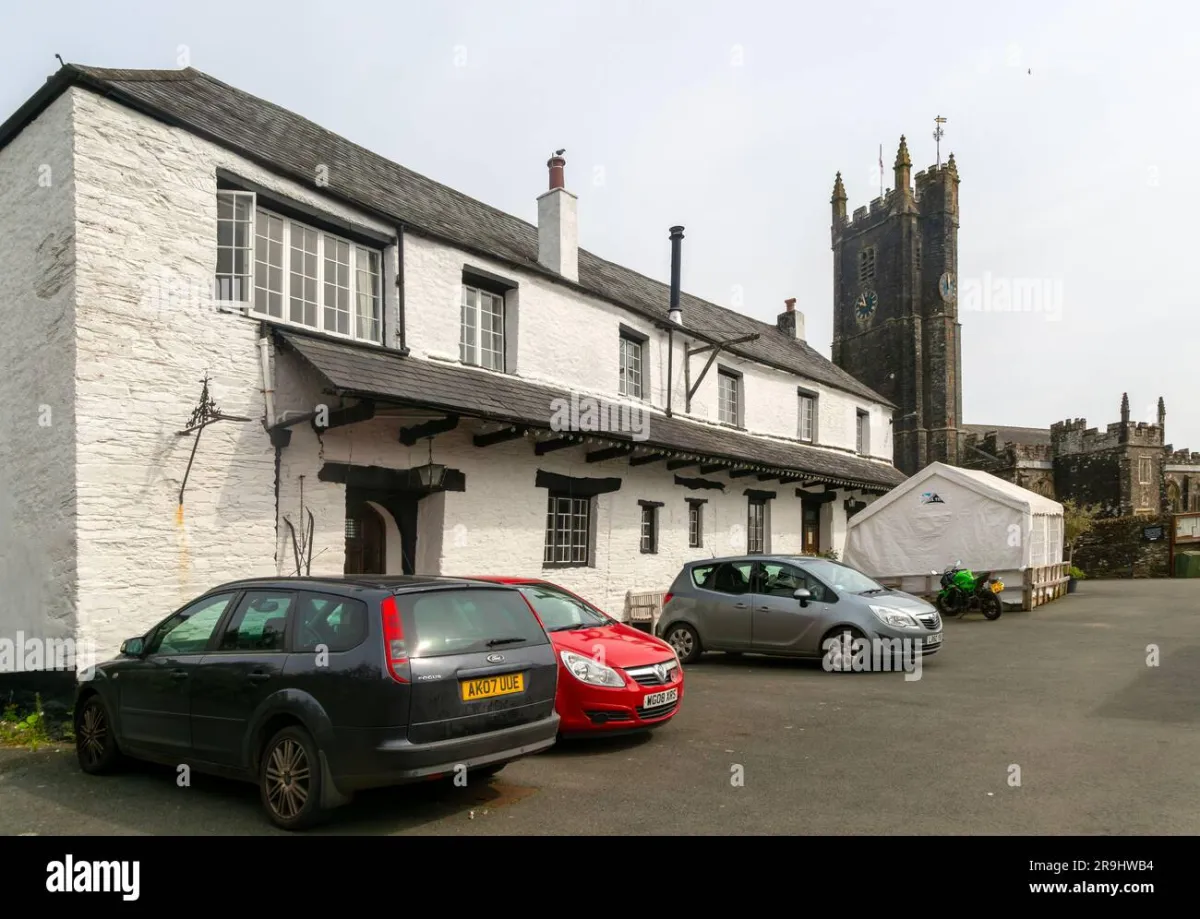 Photo: Harberton Village Hall, via c8.alamy.com
"We looked at this space and saw incredible potential," explains committee member Tom Chen, who moved to the village from Bristol two years ago. "The previous committee was thinking about closure, but we saw a blank canvas."
The new team's approach blends respect for tradition with digital-age pragmatism. They've launched a slick website with online booking, created social media accounts that showcase the hall's period features, and developed partnerships with local businesses seeking unique event spaces.
Most importantly, they've reimagined programming. Alongside traditional activities like the monthly parish council meeting and weekly keep-fit classes, the hall now hosts pop-up restaurants featuring local chefs, craft beer tastings, and 'silent disco' events that draw young people from across the South Hams.
"We're not trying to replace what came before," says committee chair Sarah Williams, a former events manager who moved to Harberton during the pandemic. "We're trying to build on it, to create something that works for everyone in the village."
The Economics of Culture
The financial pressures facing village halls reflect broader challenges in rural economics. Traditional funding sources—from local authority grants to National Lottery awards—have shrunk dramatically over the past decade. Meanwhile, running costs continue to rise, particularly energy bills that can easily reach £3,000 annually for buildings that often lack modern insulation.
Many halls survive on razor-thin margins, dependent on regular bookings from groups that themselves struggle with declining membership and rising costs. When the local WI branch closes or the amateur dramatic society folds, the financial impact on the village hall can be devastating.
Some communities are exploring radical solutions. In Dittisham, residents voted to increase their council tax precept specifically to support the village hall, recognising it as essential infrastructure rather than a luxury amenity. The additional £30 per household annually has allowed the building to remain viable while planning major improvements.
Cultural Casualties
What dies when a village hall closes isn't just a building—it's the cultural ecosystem that building supported. Amateur dramatics groups lose their rehearsal and performance space. Local musicians have nowhere to practice. Community organisations struggle to find affordable venues for meetings and events.
The broader cultural impact ripples outward. Villages lose their obvious gathering space, making it harder to organise everything from neighbourhood watch meetings to charity fundraisers. Social isolation increases, particularly among elderly residents who may have relied on hall-based activities for regular human contact.
"When Blackawton Village Hall closed, the community lost its heartbeat," reflects former resident Jenny Thompson, who now lives in Totnes but returns regularly to visit friends. "The village is still there, obviously, but it feels different. Less connected."
The Next Act
Despite the challenges, there are reasons for optimism. The pandemic paradoxically highlighted the value of local community spaces, with many residents gaining new appreciation for venues they'd previously taken for granted. Government recognition of this has led to new funding streams specifically targeting rural community buildings.
More importantly, a new generation of rural residents is beginning to understand village halls not as anachronisms but as assets. These buildings offer something increasingly rare in modern life: genuinely flexible, community-controlled space that can adapt to whatever needs arise.
Back in Cornworthy, Margaret Fielding remains cautiously hopeful. A group of younger residents has recently expressed interest in joining the committee, bringing fresh ideas and energy to the challenge of keeping the hall open.
"Perhaps we're not at the final curtain after all," she muses, looking out at the stage that has seen so many performances over the decades. "Perhaps we're just between acts."
The question facing communities across Devon is whether they'll write that next act together—or let the curtain fall for good.