The Rebellion Brewing in Bone China
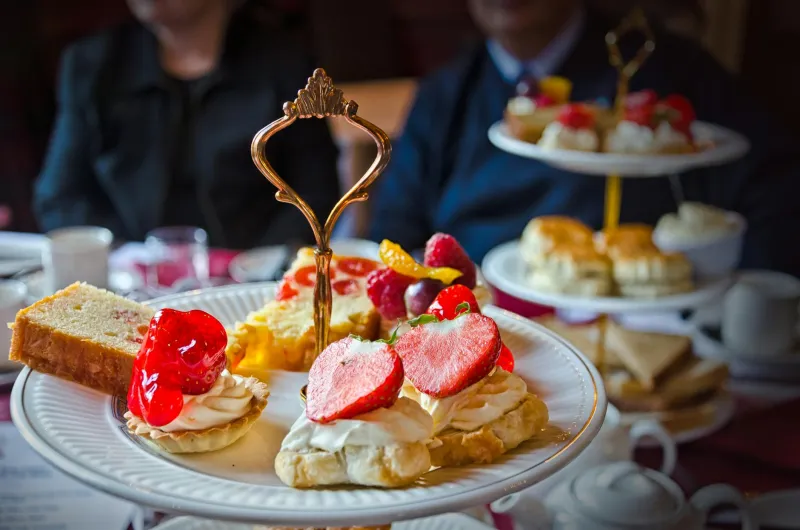
Moments after the morning rush at Primrose Tea Rooms in Dartmouth, owner Felicity Harwood emerges from her kitchen carrying a tray of scones that could start a small war. Not because they're particularly large—though they are substantial—but because of what sits atop them: a generous dollop of clotted cream crowned by strawberry jam.
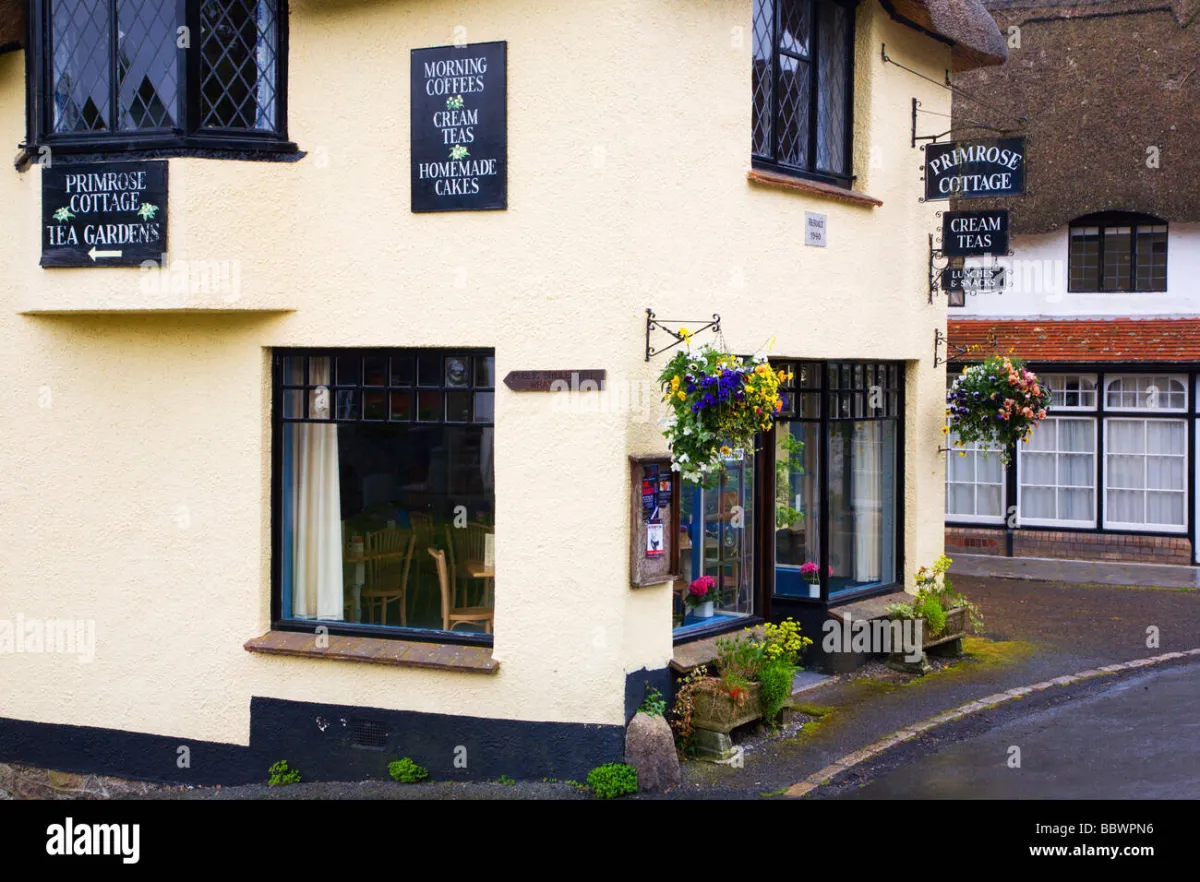 Photo: Primrose Tea Rooms, via c8.alamy.com
"Jam on top," she declares with the conviction of someone defending sacred ground. "Always jam on top. I don't care what they do in Cornwall."
This isn't mere culinary stubbornness. It's the battle cry of a movement that's quietly transforming Devon's hospitality landscape, one perfectly brewed pot of tea at a time. Across the Southwest, independent tea room owners like Harwood are staging an elegant rebellion against the homogenisation of British café culture, armed with nothing more dangerous than hand-painted crockery and an almost mystical understanding of proper tea service.
The irony isn't lost on anyone: in an age of artisanal coffee culture and Instagram-worthy brunch spots, it's the humble tea room that's leading the charge for authentic, locally-rooted hospitality.
The Art of the Proper Welcome
Step inside Harwood's establishment, tucked into a narrow Georgian building overlooking the Dart estuary, and you're immediately transported to a world where time moves at the pace of a properly steeped Earl Grey. The walls display an eclectic collection of vintage teapots, while mismatched china creates a deliberately imperfect harmony that no corporate design team could replicate.
"Everything here tells a story," Harwood explains, adjusting a hand-painted cup that belonged to her grandmother. "This isn't just about serving tea—it's about creating a sense of place, of belonging."
The attention to detail borders on obsessive. Tea is served in proper pots, never bags in cups. Milk arrives in small jugs, not UHT portions. Scones are baked fresh twice daily using a recipe that Harwood guards more carefully than state secrets. Even the sugar comes in proper lumps, served with tiny silver tongs that customers often photograph with the delight of archaeologists discovering lost civilisation.
This commitment to authenticity isn't mere nostalgia—it's a calculated response to what Harwood sees as the sanitisation of British hospitality. "Walk into any chain coffee shop and you could be anywhere in the world," she observes. "But sit in here, and you know you're in Devon."
The Cream Tea Purists
Twenty miles inland, at Hedgerow Tea Rooms in the village of Ashprington, owner Marcus Wellbeing takes this philosophy even further. A former London chef who abandoned Michelin-starred kitchens for the quiet revolution of afternoon tea, Wellbeing has spent three years perfecting what he calls "the complete Devon experience."
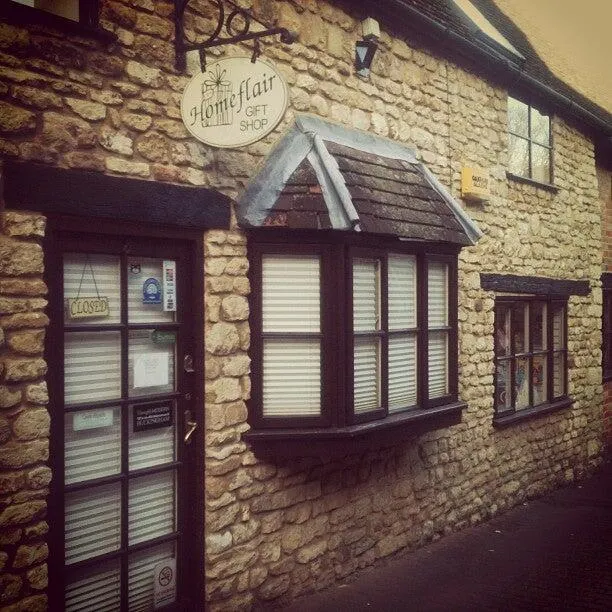 Photo: Hedgerow Tea Rooms, via us1-photo.nextdoor.com
His scones use flour milled just five miles away, butter churned by a local dairy, and clotted cream so thick it barely moves when the bowl is tilted. The jam—naturally applied beneath the cream—comes from fruit grown in his own garden, picked at dawn and transformed into preserves using copper pans that belonged to his great-aunt.
"People think running a tea room is simple," Wellbeing says, demonstrating the precise technique for splitting a scone. "But getting everything right—the temperature of the plates, the timing of the service, the balance of flavours—it's actually incredibly complex."
The complexity extends beyond the kitchen. Wellbeing has become an inadvertent anthropologist, studying the rituals and expectations that surround the Devon cream tea. He's observed that locals tend to eat their scones methodically, cream and jam applied with knife-edge precision, while tourists often approach them like sandwiches, creating delightful chaos that somehow enhances the experience.
The Economics of Eccentricity
This dedication to craft comes at a cost. While chain coffee shops benefit from economies of scale and streamlined operations, independent tea rooms operate on margins that would terrify most business consultants. Fresh ingredients cost more than processed alternatives. Hand-washing vintage china takes longer than running industrial dishwashers. Personal service requires more staff per customer than self-service counters.
Yet somehow, many are thriving. At Riverside Tea Garden in Stoke Gabriel, owner Patricia Moon has built a business that draws visitors from across the country specifically for her legendary Victoria sponge and the chance to take afternoon tea in a restored Victorian conservatory overlooking the creek.
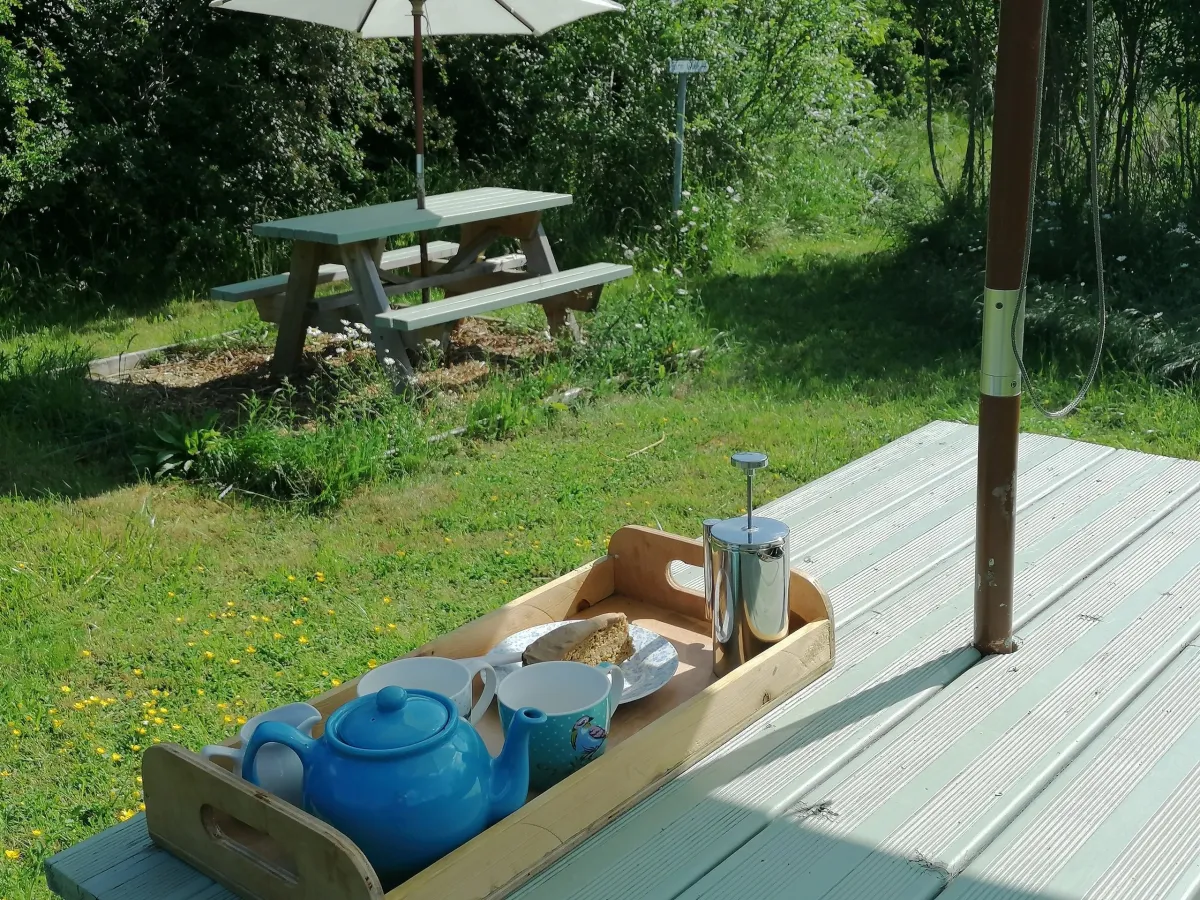 Photo: Riverside Tea Garden, via img1.wsimg.com
"I could probably make more money selling coffee and paninis," Moon admits, carefully arranging afternoon tea for a table of eight. "But that's not why I'm here. I'm here because I believe in doing something properly, in creating experiences that people remember."
The financial model works partly because tea room customers behave differently from coffee shop patrons. They linger longer, spend more per visit, and often return with friends or family. More importantly, they're seeking an experience that can't be replicated at home or found in corporate chains—a sense of occasion that justifies premium pricing.
The New Guard
Not all of Devon's tea room renaissance is driven by traditionalists. At Curious Tea in Totnes, owners James and Sophie Chen have reimagined the format for a generation raised on specialty coffee and global cuisine. Their menu features traditional cream teas alongside Asian-inspired afternoon tea sets, while their décor blends vintage British elements with contemporary design.
"We're not trying to recreate the 1950s," explains Sophie, arranging delicate finger sandwiches filled with locally-smoked trout. "We're trying to capture what made tea rooms special—the sense of ritual, the focus on quality—and translate that for modern tastes."
The approach is working. Curious Tea attracts a diverse clientele that includes young professionals working remotely, families celebrating special occasions, and elderly locals who appreciate the familiar comfort of properly served tea. The key, according to James, is understanding that authenticity doesn't require slavish adherence to historical accuracy.
"A great tea room creates its own traditions," he observes, watching a customer photograph their elaborate three-tier stand. "What matters is that everything feels intentional, considered, special."
The Ritual of Slowing Down
Perhaps the real secret of Devon's tea room renaissance lies not in the food or décor but in the pace. In a world increasingly dominated by grab-and-go consumption, tea rooms offer something radical: permission to sit, to linger, to engage in conversation without the pressure of constant connectivity.
"We're selling time as much as tea," reflects Harwood, watching an elderly couple slowly work their way through afternoon tea while discussing their grandchildren. "People are desperate to slow down, but they need permission. A proper tea service gives them that permission."
This temporal generosity extends to the proprietors themselves. Unlike coffee shop owners focused on maximising turnover, tea room operators seem genuinely invested in their customers' experiences. They remember regular visitors' preferences, enquire about family news, and treat each service as a small performance worthy of attention.
The result is a form of hospitality that feels increasingly precious in modern Britain—personal, unhurried, and deeply connected to place. In Devon's tea rooms, the simple act of sharing a pot of tea becomes a quiet form of resistance against the acceleration of contemporary life.
As Wellbeing puts it, carefully wrapping leftover scones for a departing customer: "We're not just serving food. We're preserving a way of being together that the world needs now more than ever."
In their own gentle, determinedly eccentric way, Devon's tea room guardians might just be saving British hospitality—one perfectly brewed cup at a time.