The scent of juniper and sea buckthorn drifts through the converted Victorian railway carriage that houses Blackdown Distillery, nestled in the hills above Dartmouth. Here, former London banker Sarah Whitfield tends to her copper still like a gardener nurturing prize roses, coaxing flavours from botanicals foraged within a ten-mile radius of her distillery door.
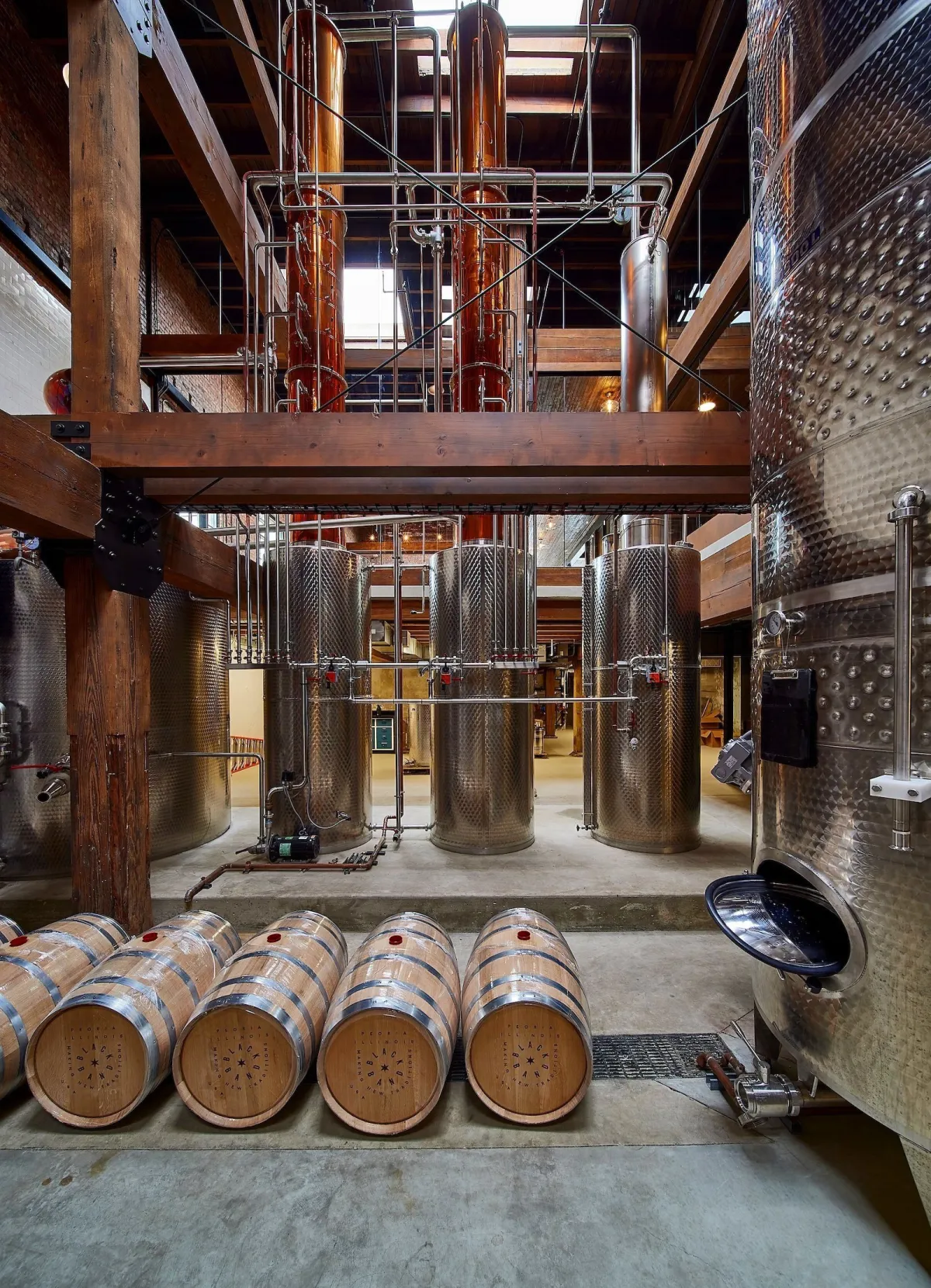 Photo: Blackdown Distillery, via images.squarespace-cdn.com
"People think we're mad, giving up the city for this," Sarah laughs, adjusting the temperature on her custom-built German still. "But there's something about this landscape that gets into your soul—and now it's getting into our gin."
The Forager's Paradise
Devon's unique position, where moorland meets coastline, has created what distillers are calling a botanical treasure trove. Wild samphire from Salcombe's shores, gorse flowers from Dartmoor's ancient commons, and sea lettuce from the Dart estuary are finding their way into bottles that command premium prices in London's finest establishments.
Tom Marchant of Dartmouth Dry Gin has built his entire brand around this hyperlocal approach. His signature expression includes thirteen botanicals, all sourced within Devon's borders. "We're not trying to recreate London Dry," he explains, watching the morning mist roll across the Dart from his riverside distillery. "We're creating something entirely new—a gin that tastes like Devon feels."
The numbers support this artisanal revolution. According to the UK Spirits Alliance, Devon now hosts seventeen operational distilleries, up from just three in 2015. More telling still, these small-batch producers are achieving retail prices 40% higher than mass-market alternatives, proving that provenance commands premium.
Beyond Gin: The Whisky Dreamers
While gin dominates the headlines, Devon's spirit renaissance extends far beyond juniper. At Hatherleigh, the South West Distillery is laying down single malt whisky that won't see daylight for another decade. Master distiller James Wright sources barley from farms within fifty miles, embracing the terroir concept more commonly associated with wine.
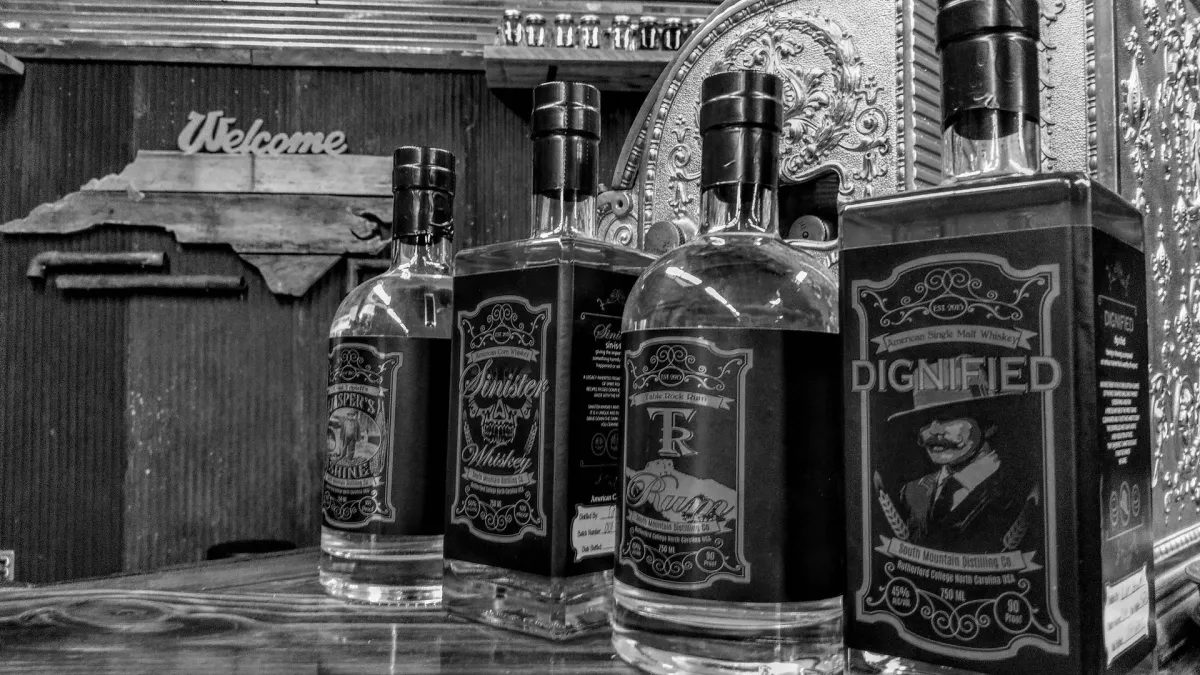 Photo: South West Distillery, via static.wixstatic.com
"Scottish whisky has centuries of tradition," Wright acknowledges, "but Devon has something different—a maritime climate that adds complexity you simply can't replicate elsewhere."
The distillery's experimental cask programme includes barrels seasoned with local cider and perry, creating flavour profiles that challenge preconceptions about what English whisky can achieve. Early tastings of their three-year-old spirit suggest these experiments are paying dividends.
The Economics of Artisan
This craft spirits boom represents more than lifestyle choices and artisanal passion—it's becoming serious rural regeneration. The Devon Distillers Association estimates the sector now employs over 200 people directly, with significant knock-on effects for tourism, hospitality, and agriculture.
Rachel Morrison, who launched Moorland Spirit Company after losing her job in Bristol's financial sector, explains the broader impact: "We're not just making gin—we're creating a reason for people to visit, to stay overnight, to discover what Devon offers beyond the obvious tourist attractions."
Her distillery tours, launched tentatively in 2019, now book solid throughout the summer, with visitors travelling from across Europe to experience what she calls "gin tourism." The model has proved so successful that Morrison is expanding into a full visitor centre, complete with cocktail masterclasses and botanical foraging experiences.
Challenges in Paradise
Yet this romantic narrative masks genuine challenges. Distribution remains problematic for small producers, with major retailers favouring established brands. Many distillers rely heavily on direct sales and local markets, limiting growth potential.
Regulation presents another hurdle. HMRC's duty requirements and licensing procedures, designed for industrial-scale operations, can prove bewildering for former teachers and farmers turned distillers. "The bureaucracy nearly killed us before we started," admits Whitfield. "But once you navigate it, there's genuine support for what we're doing."
Climate change poses longer-term concerns. The coastal botanicals that give Devon spirits their distinctive character are increasingly threatened by rising sea levels and changing weather patterns. Some distillers are already adapting, cultivating backup sources inland or experimenting with climate-resilient alternatives.
The Taste of Place
What unites Devon's distilling pioneers isn't just geography—it's a shared commitment to expressing place through flavour. Unlike industrial producers who prioritise consistency above all else, these craft distillers embrace variation as virtue.
"Every batch tells a story," explains Morrison. "Wet springs produce different gorse flowers. Dry summers concentrate the samphire. Our customers aren't buying a product—they're buying a snapshot of Devon in that particular moment."
This philosophy resonates with consumers increasingly hungry for authenticity and connection. In an era of mass production and global brands, Devon's craft distillers offer something increasingly rare: spirits that genuinely couldn't be made anywhere else.
Looking Forward
As Devon's distilling scene matures, collaboration is replacing competition. The newly formed Devon Distillers Trail encourages visitors to explore multiple producers, while shared marketing initiatives promote the region as a destination rather than individual brands.
Sarah Whitfield, now three years into her distilling journey, remains optimistic about the future. "We're not trying to be the next Bombay Sapphire," she reflects, watching the evening light dance across the Dart. "We're trying to be the first taste of Devon that people remember forever."
In converted barns and purpose-built distilleries across the county, that ambition is being realised one careful batch at a time.