The Sound of Tradition
The rhythmic tap of mallet on chisel echoes across the water at dawn, a sound that has marked time in Dartmouth for over eight centuries. In a modest workshop tucked between the tourist shops of Foss Street, 67-year-old master boatbuilder Tom Whitfield shapes English oak with the same tools his grandfather used, creating vessels that will outlast their fibreglass cousins by decades.
"People think we're living in the past," Tom says, running weathered hands along the smooth curve of a dinghy's hull. "But we're actually building the future."
This isn't mere nostalgia speaking. Across the Southwest, traditional wooden boatbuilding is experiencing an unexpected renaissance, driven by environmental consciousness, artisanal craftsmanship appreciation, and a growing recognition that the old ways might just be the best ways forward.
Beyond the Tourist Trail
Whilst Dartmouth's quayside bustles with visitors admiring the painted houses and historic castle, the real maritime magic happens in the quieter corners. Down narrow lanes and tucked into former fish cellars, a network of small workshops keeps the town's boatbuilding heritage alive. These aren't museum pieces or heritage displays – they're working businesses creating everything from traditional Devon luggers to modern sailing dinghies using techniques passed down through generations.
Sarah Chen discovered this world three years ago when she abandoned her London marketing career to apprentice with local craftsman Michael Bray. "I was burnt out on the corporate world and looking for something real," she explains, carefully fitting a curved rib into place. "When I first saw Michael working, shaping wood with just hand tools and intuition, I knew I'd found what I was searching for."
Sarah represents a new wave of craftspeople drawn to traditional boatbuilding – university-educated professionals seeking authentic skills and sustainable practices. They're joining established artisans like the Hearn family, whose workshop in nearby Noss Mayo has been building boats for four generations.
The Sustainability Factor
What's driving this revival isn't just romantic notions of craftsmanship. Wooden boats, when properly maintained, can last centuries. The famous Dartmouth-built pilot cutters from the 1890s are still sailing today, whilst fibreglass boats from the 1970s are already heading to landfill. In an age of environmental awareness, this longevity matters.
"We're using local timber, traditional techniques that require no electricity, and creating boats that can be repaired rather than replaced," explains Jenny Pascoe, who runs sustainable boatbuilding courses from her Totnes workshop. "It's the ultimate circular economy."
The wood itself tells the story of the Southwest's landscape. Devon oak for the frames, Cornish elm for the planking when available, and locally sourced pine for lighter components. Each tree's grain carries the memory of Devon winds and Somerset rains, creating vessels that are literally rooted in the region's character.
Learning the Language of Wood
In Tom Whitfield's workshop, apprentice James Morrison is discovering that boatbuilding is as much about listening as building. "Every piece of wood has its own personality," he says, selecting planks for a traditional Devon crabber. "You learn to read the grain, understand how it wants to bend, where it might split. It's like learning a new language."
This intuitive knowledge can't be taught from textbooks or YouTube tutorials. It requires time, patience, and the kind of mentorship that's been the backbone of craft traditions for millennia. Master craftsmen like Tom typically take on just one or two apprentices at a time, ensuring skills are properly transferred rather than diluted.
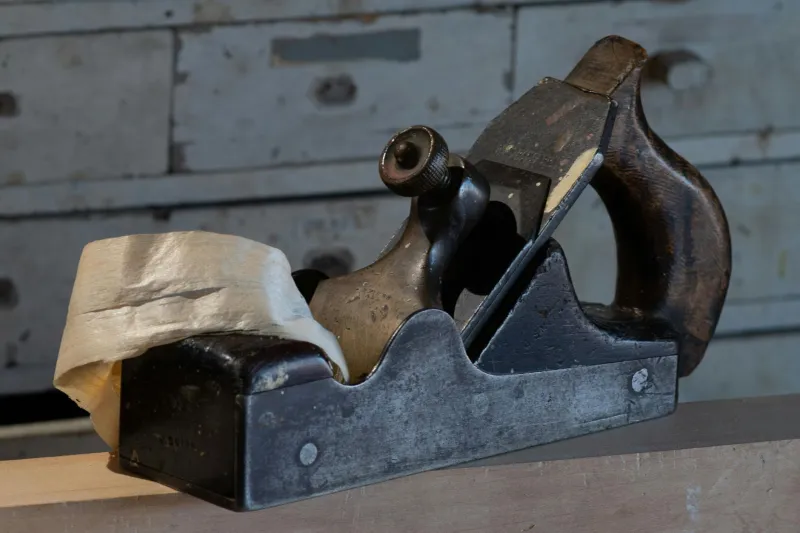
The process itself becomes meditative. No power tools screaming, no hurried deadlines – just the steady rhythm of hand planes shaving cedar curls, the satisfying thunk of wooden joints fitting perfectly, and the gradual emergence of graceful curves from rough timber.
Modern Challenges, Ancient Solutions
Yet this isn't a retreat from modernity. Today's wooden boatbuilders are incorporating contemporary design software, modern adhesives, and improved finishing techniques whilst maintaining traditional construction methods. The result is boats that honour heritage whilst meeting modern performance and safety standards.
"We're not trying to recreate the past exactly," notes Michael Bray, watching his apprentices work on a commission for a Salcombe sailing club. "We're taking the best of traditional knowledge and applying it to contemporary needs. That's how craft traditions survive – by evolving."
Some workshops now offer courses for enthusiasts wanting to build their own boats, whilst others focus on restoration work, bringing century-old vessels back to life. The diversity of approaches ensures the tradition remains vibrant rather than frozen in time.
The Ripple Effect
This wooden boat renaissance is creating ripples throughout the Southwest's cultural landscape. Local timber merchants report increased demand for boat-building woods, whilst traditional tool makers are experiencing new interest in their products. Sailing clubs are commissioning replica historical vessels, and maritime museums are partnering with craftsmen to demonstrate traditional techniques.
The economic impact extends beyond the workshops themselves. These artisan businesses attract visitors interested in authentic experiences, support local suppliers, and create skilled jobs that can't be outsourced. They're part of the broader creative economy that's helping Southwest communities thrive beyond traditional tourism.
Floating Into the Future
As climate change focuses minds on sustainability and authenticity becomes increasingly valued in our digital age, Dartmouth's wooden boatbuilders find themselves perfectly positioned. They're not just preserving maritime heritage – they're demonstrating how traditional skills can address contemporary challenges.
Standing in Tom Whitfield's workshop as afternoon light streams through salt-stained windows, watching apprentices shape timber with tools older than their grandfathers, it's clear that this ancient craft has found its modern moment. These aren't museum pieces being created, but vessels for the future – beautiful, sustainable, and built to last centuries.
The tide may turn twice daily in the Dart estuary, but the tradition of wooden boatbuilding is rising on a flood that shows no signs of ebbing.