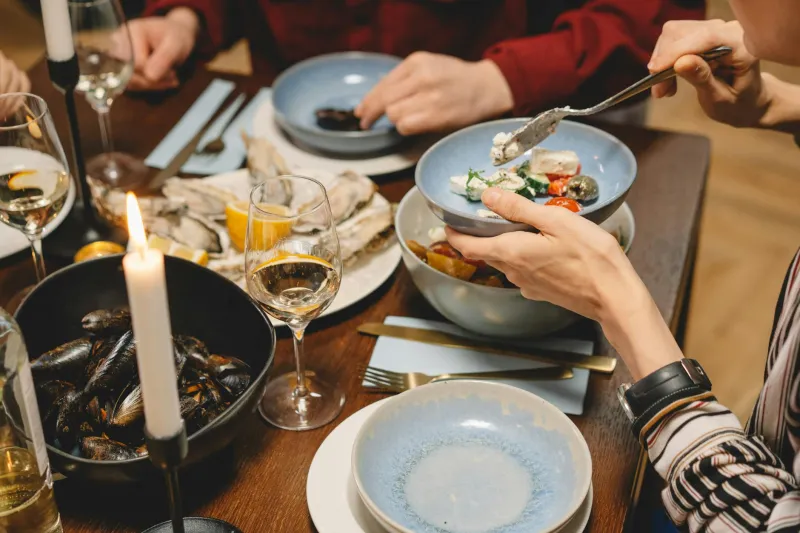
The long wooden table stretches the length of the village hall, groaning under the weight of homemade pies, fresh-caught fish, and preserves that taste of summer. Children dart between the benches whilst their grandparents swap stories over steaming bowls of cider-braised beef. This isn't just dinner – it's defiance.
Across Devon, a handful of determined communities are breathing new life into one of Britain's oldest social traditions: the communal feast. These aren't trendy supper clubs or Instagram-worthy pop-ups, but deeply rooted gatherings that have fed souls as much as stomachs for over a millennium.
The Rhythm of the Seasons
In Dartmouth, the tradition runs as deep as the river itself. Local historian Margaret Whitfield has spent decades documenting the town's feast culture, uncovering records of communal meals dating back to the 13th century.
"These weren't just about food," she explains, surrounded by yellowing parish records in her cluttered study overlooking the Dart. "They were the heartbeat of community life. Harvest suppers marked the end of hard labour, fishermen's dinners blessed safe voyages, and winter feasts kept spirits alive during the darkest months."
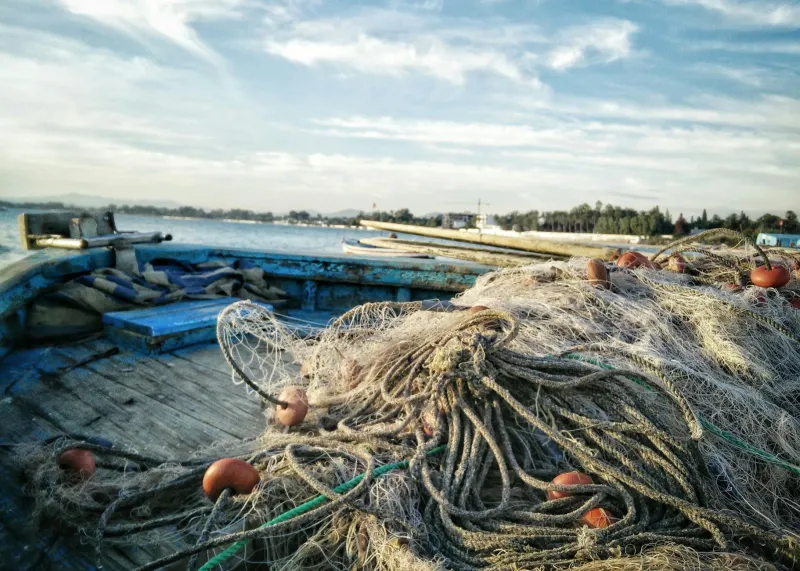
The rhythms were dictated by tide and season. When the fishing fleet returned from their final trip before winter storms, the entire quayside would transform into an open-air dining room. Wives and mothers would arrive with vast pots of stew, whilst the men contributed the day's catch and tales of rough seas.
These gatherings weren't mere social occasions – they were survival mechanisms. In communities where a bad harvest or lost fishing boat could mean destitution, shared meals redistributed resources and strengthened bonds that would prove crucial during lean times.
When Tables Went Silent
The decline began gradually, then accelerated with devastating efficiency. The mechanisation of farming reduced the need for communal labour, whilst the collapse of the fishing industry scattered maritime communities. Television brought entertainment into individual homes, and the rise of car ownership meant people could seek their social lives elsewhere.
By the 1980s, many villages had lost their feast traditions entirely. Ancient barns that once echoed with laughter and conversation fell silent, their long tables gathering dust in forgotten corners.
"We became a nation of individuals," reflects Sarah Chen, who moved to the South Hams from London five years ago and was shocked by the social isolation she encountered. "People were living side by side but barely knowing each other's names, let alone sharing their stories over a meal."
The Quiet Revolution
Yet in pockets across the Southwest, something remarkable is happening. Communities are rediscovering the power of the shared table, often driven by newcomers who recognise what long-term residents have unconsciously missed.
In the village of Stokenham, retired teacher David Harrison has revived the annual harvest supper after a thirty-year hiatus. What started as a nostalgic experiment has become the social event of the year, drawing over 200 people to the Norman-era tithe barn.
"The first year, we weren't sure anyone would come," Harrison admits, ladling out portions of locally-sourced lamb at this year's feast. "We'd forgotten how to do it – how to cook for a crowd, how to seat strangers together, how to make conversation flow. But the muscle memory was there."
The evening unfolds with organic ease. Conversations spark between tables as dishes are passed and stories shared. Children who spend most of their time glued to screens are running wild games between the ancient stone pillars. Elderly residents, many living alone, find themselves surrounded by three generations of neighbours.
Modern Challenges, Ancient Solutions
These revived feasts aren't museum pieces – they're evolving to meet contemporary needs. In Dartmouth, the monthly 'River Table' gatherings accommodate dietary restrictions that would have baffled medieval diners, whilst maintaining the essential spirit of shared abundance.
Organiser Emma Blackwood sources ingredients from local producers, creating a supply chain that supports the regional economy whilst reducing food miles. Surplus meals are distributed to vulnerable community members, echoing the redistributive function of historical feasts.
"We're not trying to recreate the past exactly," Blackwood explains whilst coordinating volunteers in the town hall kitchen. "But we're reclaiming something essential that we've lost – the idea that eating together creates bonds that go beyond the meal itself."
The evidence supports her intuition. Research by the University of Exeter has found that communities with regular shared dining traditions report higher levels of social cohesion, lower rates of depression among elderly residents, and increased civic participation.
The Future of Feasting
As Britain grapples with epidemics of loneliness and social fragmentation, Devon's feast revival offers a deceptively simple solution: put people around a table together and let human nature do the rest.
The movement is spreading organically, with neighbouring villages learning from each other's successes and failures. WhatsApp groups coordinate ingredients, whilst social media – used judiciously – helps promote events to younger residents who might otherwise remain unaware.
"Food is the universal language," reflects Margaret Whitfield, watching families stream into another packed harvest supper. "When you share a meal, you share something of yourself. In a world that's pulling us apart, these tables are pulling us back together."
The ancient barns and village halls of Devon are once again filled with the sounds of community life. Long may they feast.