The Weight of Keys
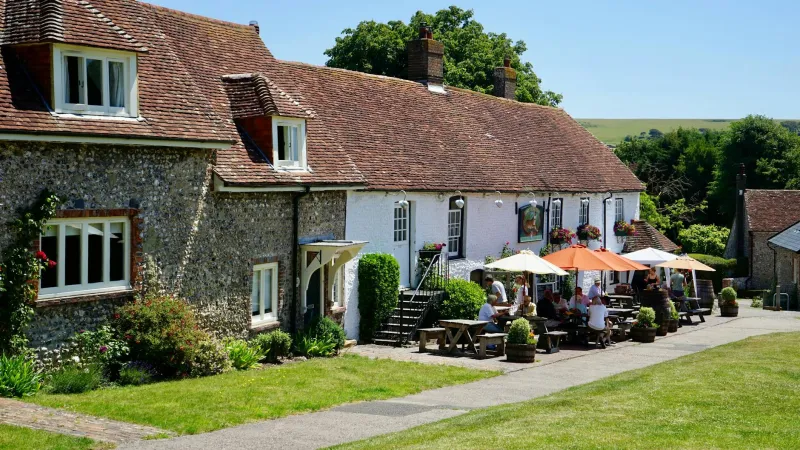
When Sarah Blackmore turns the heavy iron key in the front door of The Packhorse Inn each morning, she's performing a ritual that stretches back seven generations. The 16th-century pub in the shadow of Dartmoor has been in her family since 1847, and the weight of that history sits as heavily on her shoulders as the ancient oak beams that creak overhead.
"People think running a family pub is romantic," she says, pulling the first pint of the day—a practice her father taught her, as his father taught him. "They don't see the 4am wake-ups when the cellar floods, or the Christmas Days spent serving rather than celebrating with family."
Yet Sarah, like a dwindling band of Devon publicans, wouldn't have it any other way. In a county where traditional inns are vanishing at an alarming rate—either snapped up by property developers or absorbed into faceless chains—these family dynasties represent something increasingly precious: authenticity that can't be manufactured.
The Temptation of the Cheque
The pressure to sell is relentless. Property developers circle like vultures, offering sums that could set families up for life. Corporate buyers wave contracts promising to "preserve the character" while quietly planning gastropub makeovers that strip away decades of accumulated soul.
Tom Whitworth, whose family has run The Ship Inn in Noss Mayo for four generations, knows the temptation intimately. "Last year, a brewery offered us enough money to buy a house in France and retire comfortably. The whole family gathered round the kitchen table to discuss it."
What kept them rooted wasn't just sentiment—it was the realisation that The Ship Inn isn't just their livelihood, it's their identity. "My great-grandfather's name is still carved above the fireplace. My grandmother's recipe for steak and kidney pudding brings people back from London. You can't put a price on being part of something bigger than yourself."
Recipes Written in Memory
In these family-run establishments, recipes aren't found in laminated folders or downloaded from corporate headquarters. They live in the muscle memory of hands that have kneaded the same pastry for decades, in the careful eye that judges when the gravy has reached just the right consistency.
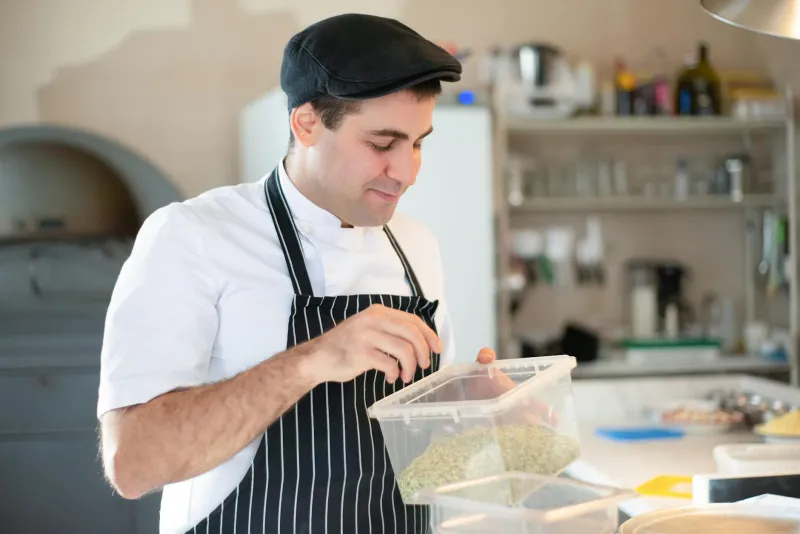
At The Royal Oak in South Zeal, 78-year-old Margaret Cann still makes her legendary pasties using a recipe her mother-in-law taught her in 1963. "No measurements," she laughs, flour dusting her apron. "Just feel. The dough tells you when it's ready."
Her daughter Emma, who's gradually taking over the reins, admits the transition isn't always smooth. "Mum's idea of training is watching over my shoulder and saying 'not like that, like this.' But there's wisdom in those hands that you can't learn from a cookbook."
The Regulars' Parliament
Perhaps nowhere is the difference between family-run and corporate pubs more evident than in the relationship with regulars. In these establishments, the locals aren't customers—they're extended family, sometimes literally.
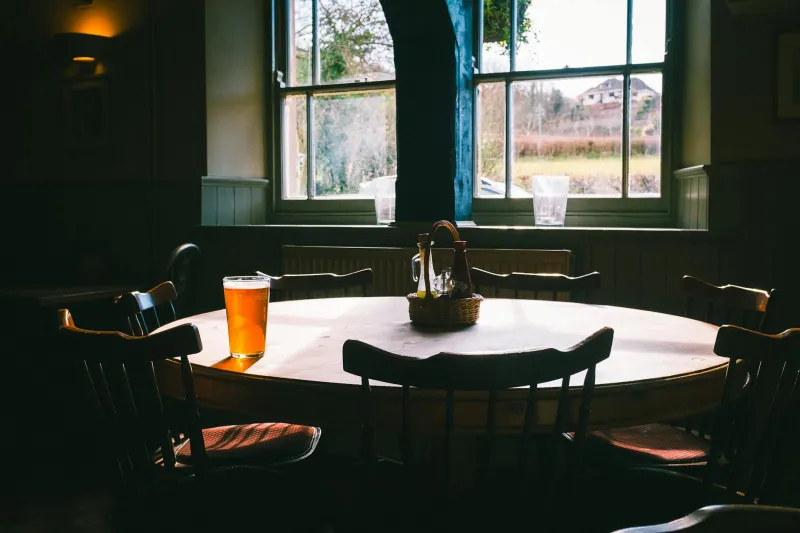
At The Dartmouth Arms in Dartmouth itself, landlord James Morrison can predict his regulars' orders before they've crossed the threshold. "Old Bill comes in every Tuesday at half past six, orders a pint of bitter and reads his paper by the window. When he was in hospital for three weeks, we kept his usual table free."
This intimacy creates an ecosystem of loyalty that no marketing campaign can replicate. Regulars become unofficial ambassadors, defending their local against criticism and bringing visiting relatives for the "authentic Devon experience."
The Price of Preservation
But keeping these institutions alive comes at a personal cost that extends far beyond the financial. Family members often sacrifice careers, relationships, and personal ambitions to keep the family business afloat.
Sarah Blackmore's daughter, Lucy, returned from a promising career in London marketing to help save The Packhorse. "My friends think I'm mad," she admits. "Giving up a six-figure salary to work 70-hour weeks for a fraction of the money. But when I see a young couple getting engaged in the same corner booth where my parents met, I know why I'm here."
The physical demands are equally punishing. Ancient buildings require constant maintenance, and family budgets rarely stretch to professional repairs. Tom Whitworth learned plumbing, electrics, and carpentry out of necessity. "YouTube University," he calls it. "I've probably saved thousands fixing things myself, but I've also made some spectacular mistakes."
Tomorrow's Keepers
As these patriarchs and matriarchs age, the question of succession looms large. Not every child wants to inherit the burden, and some families face the heartbreaking reality of being the last generation.
"My son's got his own life in Bristol," says one landlord who prefers not to be named. "I can't force him to give up his career for a business that might not survive another decade. Sometimes love means letting go."
Yet for those families who do continue the tradition, there's a quiet revolution happening. The younger generation is bringing fresh ideas while respecting old values—craft beer alongside traditional ales, social media marketing that showcases heritage rather than hiding it.
The Last Stand
As Sarah Blackmore locks up The Packhorse each night, she sometimes wonders if she's fighting a losing battle. But then she remembers the wedding party that chose her pub because the groom's grandfather drank there, or the tourist who drove three hours just to taste her great-grandmother's treacle tart recipe.
"We're not just serving drinks," she reflects. "We're keeping stories alive. Every pint pulled, every meal served, every conversation overheard—it's all part of Devon's living history. Someone has to be the keeper of that flame."
In a world increasingly dominated by algorithms and automation, these family-run inns represent something irreplaceable: the human touch, the personal connection, the knowledge that behind every perfectly pulled pint is a story stretching back through generations. They are, quite literally, the last landlords standing—and Devon is richer for their stubborn refusal to let go.