The removal van blocking Foss Street caused quite a stir that Tuesday morning in March. Not because such sights are rare in Dartmouth—the town has seen its share of newcomers over recent years—but because of what was being unloaded. A baby grand piano, canvases still wet with paint, and enough recording equipment to stock a small studio suggested this wasn't your typical second-home purchase.
Meet Clara Hutchinson, formerly of Hackney, now of a converted sail loft overlooking the Dart. Three months earlier, she'd been juggling a demanding job at a London gallery with her own painting practice, squeezing creativity into weekends and stolen evening hours. Today, she's wrestling with a very different challenge: making rural artistic life financially viable.
"The Instagram posts don't show you lying awake at 3am wondering how you'll pay the electricity bill," Clara admits, gesturing toward canvases that capture Devon's mercurial light with startling intensity. "But they also don't show you what it feels like to paint for six uninterrupted hours because there's nowhere else you need to be."
The Great Creative Migration
Clara represents a growing phenomenon: established creative professionals abandoning urban careers for rural reinvention. According to Arts Council England, Devon has seen a 34% increase in registered creative businesses since 2020, many founded by former city dwellers seeking space, affordability, and inspiration.
The statistics tell only part of the story. Behind the numbers lie personal narratives of burnout, disillusionment, and the persistent pull of landscape over lifestyle. For many, the pandemic provided both catalyst and cover for decisions they'd contemplated for years.
James Pendleton, a novelist who swapped Clapham for a cottage near Salcombe, describes the moment he knew change was inevitable: "I was writing about the natural world from a flat overlooking a bus depot. The disconnect became unbearable."
His latest novel, set in a fictional Devon fishing village, has garnered critical acclaim precisely for its authentic sense of place. Yet Pendleton is candid about the transition's difficulties. "I spent the first year romanticising everything—the weather, the isolation, even the bloody seagulls. Reality has a way of puncturing that bubble."
The Infrastructure Reality Check
That reality includes practical challenges rarely featured in lifestyle magazines. Rural broadband, essential for modern creative practice, remains patchy across much of Devon. Clara discovered this the hard way when attempting to submit digital portfolios to London galleries.
"I'd drive to Dartmouth library to upload files," she recalls. "Very romantic until you're doing it at midnight before a deadline."
Transport presents another hurdle. The creative industries remain stubbornly London-centric, requiring regular trips for meetings, openings, and networking. What seems manageable in theory—a four-hour train journey—becomes exhausting in practice.
Musician David Chen, who relocated from Shoreditch to a converted barn near Totnes, calculates he spends £3,000 annually on travel to maintain industry connections. "The maths doesn't always work," he acknowledges. "But the music I'm making here—I couldn't have created it anywhere else."
Creative Communities and Isolation
The tension between solitude and community defines many transplanted artists' experiences. Devon's landscape provides unparalleled inspiration, but the creative peer networks that flourish in urban environments require deliberate cultivation in rural settings.
Sculptor Amanda Price, formerly of East London, found unexpected community through Dartmouth's monthly art walks. "In London, you're anonymous among thousands of artists. Here, you're visible—sometimes uncomfortably so—but that visibility creates accountability and support."
Yet isolation remains a constant threat. Winter months test even the most committed rural converts. Clara describes January as "character-building," when short days and long nights can amplify creative doubts.
"The landscape doesn't care about your artistic crisis," she notes. "There's something both humbling and liberating about that indifference."
The Gentrification Question
Devon's creative renaissance raises uncomfortable questions about displacement and affordability. The artists fleeing London's property prices often possess resources that local residents lack, potentially pricing out the communities that attracted them initially.
This tension surfaced dramatically during Dartmouth's recent planning debates, where proposals for artist studios in converted warehouses sparked heated discussions about community benefit versus commercial interest.
James Pendleton acknowledges the dilemma: "We're drawn to authentic places, but our presence inevitably changes them. The challenge is ensuring that change benefits everyone, not just newcomers with London savings accounts."
Some artists are addressing this proactively. Chen organises free music workshops for local young people, while Price collaborates with schools on sculpture projects. These initiatives represent attempts to give back to communities that provide inspiration and space.
Finding Authentic Voice
Perhaps surprisingly, many transplanted artists report that rural life has stripped away pretensions rather than adding romantic gloss to their work. The absence of urban creative scenes forces deeper engagement with personal vision.
"In London, you're constantly measuring yourself against peers," explains Price. "Here, the only measure is the work itself. That's terrifying and liberating simultaneously."
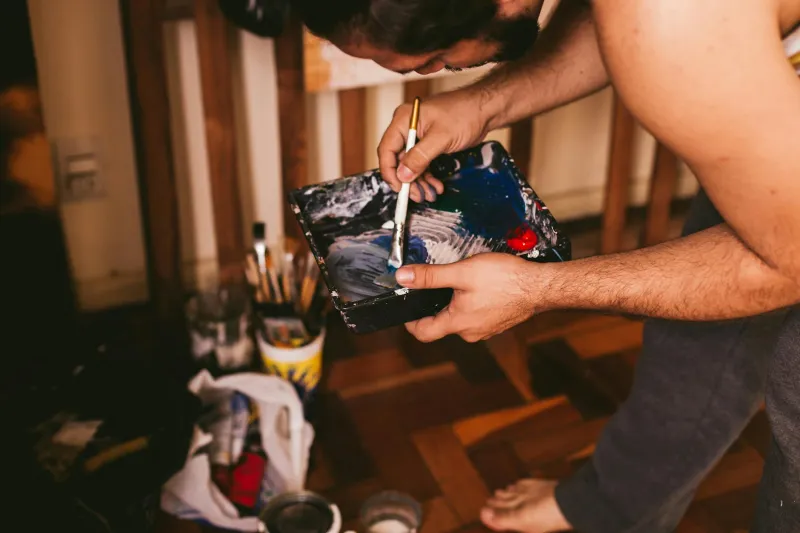
Clara's paintings have evolved from urban abstractions to landscape-inspired pieces that sell consistently through local galleries. The work feels more authentic, she claims, because it emerges from daily lived experience rather than aesthetic theory.
"I paint what I see from my window, what I feel during morning walks. It sounds simple, but simplicity was impossible in the city."
Economic Sustainability
The romantic narrative of artistic rural retreat often glosses over financial realities. Most successful creative transplants maintain hybrid careers, combining artistic practice with teaching, consulting, or remote work.
Chen supplements musical income through online production work and occasional London sessions. "Pure artistry is a luxury few can afford," he admits. "But the quality of life here means I need less money to feel wealthy."
Local markets provide crucial support. Devon's tourism industry creates demand for authentic creative products, while growing numbers of second-home owners seek original art. Clara's commissions now come primarily from regional collectors rather than London galleries.
The Long View
Three years into her Devon experiment, Clara remains committed despite ongoing challenges. Her work has found new direction and market, while her quality of life has improved measurably. Yet she cautions against oversimplifying the rural creative dream.
"This isn't escape—it's exchange. You trade certain opportunities for others, urban stimulation for natural inspiration, professional networks for genuine community. Whether that trade works depends entirely on what you're seeking."
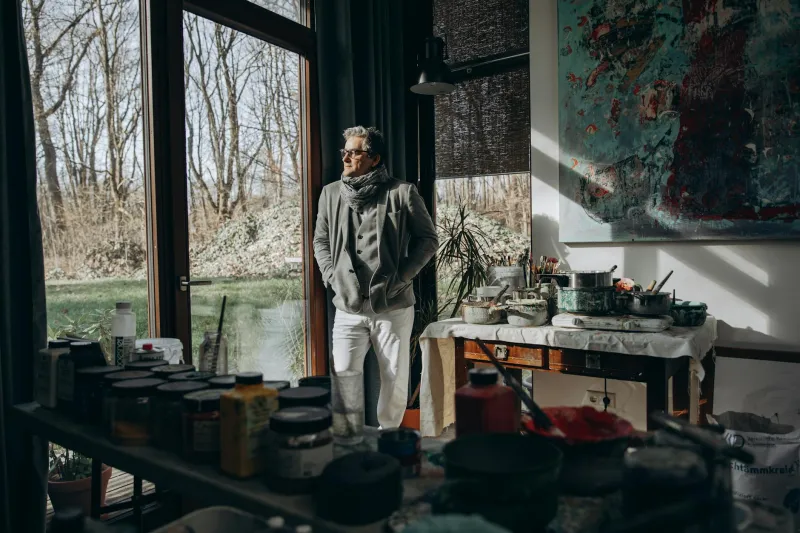
As evening light floods her studio, illuminating canvases that capture Devon's ever-changing moods, Clara returns to her easel. Tomorrow brings another day of wrestling with the eternal creative question: how to transform inspiration into sustainable practice. In Devon, at least, inspiration is rarely in short supply.